With Spring almost here, and Easter around the corner, we thought we’d rustle up some rabbit cookies – or bunny biscuits as we’ve named them! It was a great introduction for 9yo to practice his royal icing piping, and ‘flooding in’ – we learnt a LOT about icing technique!
There are LOADS of bunny cookie cutters around at the moment, we had one which was my Mum’s and for the tail you could use a flower cutter, or a small circle…
We used up some royal icing which had been in the fridge for a couple of days, and we have some TOP TIPS for you about this…see below!
Heat the oven to 150 degrees C (300 F, Gas mark 2) Cream the caster sugar and the butter together, slowly adding the flour, mixing together to form a dough, I find we need to add a couple of drops of water, knead together to form a ball.
Roll out the dough, on a floured surface, to about 4mm thick. Using your bunny shaped cutter, cut the dough, and place your bunnies and tails on a lightly floured baking tray, and bake for about 20 minutes, until golden brown. (feel free to make some spare rabbit tails… to munch on whilst you’re icing the rabbit cookies!)
As they cool down, you can make your royal icing (recipe here). Or if you are using some icing which you have been keeping in the fridge, as we were, TOP TIP make sure you really really stir the royal icing to get ALL of the lumps out, otherwise it sticks in the piping bag – and clogs the nozzle so that when you are piping the outline it stutters out, and the line will be all wobbly… 9yo wanted a pale brown bunny, so we mixed in his favourite hot chocolate mix, into a portion of the white royal icing and some more Fairtrade icing sugar, so that it’s quite thick to pipe the outlines. When this outline is dry, you add a drop of water to the remaining brown mixture, so that you can spoon it into the outline, and using a cocktail stick, gently ‘flood’ the biscuit, and prick any little bubble that appear.
Pop the ‘tail’ into position whilst the ‘flood in’ icing on the rabbit cookie is still wet, and pipe on the remaining white royal icing to make a fluffy tail!
Who doesn’t want to be a more responsible driver? It helps you stay safe on the road and offers more than a few benefits. Some of the more notable of these are:
Avoiding accidents on the road.
Reducing your insurance premiums long-term.
Keeping your car running properly.
Giving you greater peace of mind.
You’ve no reason not to put the time and effort into it. That being said, responsible driving isn’t just a matter of putting your seatbelt on. You’ll have to put a lot more work into it.
Thankfully, this doesn’t have to mean it needs to be complicated. It could be a whole lot easier than you’d think. Even if you’ve been in accidents before, there are more than a few ways to be better. In these cases, it could be vital. You just need to know what you’re doing going forward.
Focusing on a few driving tips and looking after your car can be some of the better ways of doing this. Five of these could help a lot more than you’d think. They’re more than worth trying.
Have a Lawyer on standby
As much as you’ll try to avoid car accidents and similar issues, it doesn’t mean they’re always avoidable. Sometimes, you could be the victim in the accident. Another car could crash into yours because of negligence or similar reasons. It’s always worth making sure you’re prepared for this.
One of the better ways to do this is to have a car accident lawyer on-hand for when you need them. You don’t even need to hire them straight away. Instead, just having their contact details for when you need them could be more than enough to help. It’s worth looking for the best one you can afford.
Look For the Right Insurance
While car insurance is mandatory, many drivers don’t put a lot of time and effort into it. They’ll go with the basics and leave it at that. It’s worth putting more time into it than that, though. The more comprehensive your insurance is, the better off you’ll be if you ever get into an accident.
Then there’s the difficulty in getting car insurance if you’ve been in any accidents or have driving convictions. Thankfully, many providers specialise in insuring people with convictions. Insurance Revolution boasts ‘Convicted Driver? We CanHelp!’ for a reason. It’s worth putting in the effort into looking for the best provider for you.
Be Proactive With Maintenance
Keeping your car in great shape is key in being a responsible driver, just like with your home and back garden. It’s always worth putting the time and effort into proactive maintenance to help with this. It’ll help you make sure you don’t need to worry about any issues turning up anytime soon. It’s one of the best steps you can take for you and your car.
This doesn’t even need to be too hard. Inspecting your car regularly lets you figure out if anything needs to be addressed. Then there are the smaller steps, like checking your oil and washer water, and rotating your tyres. You’ll end up keeping your car in the best condition possible. You’ve every reason to put the time and effort into it.
Don’t Ignore Warning Signs
Cars have warning signs built into the dashboard. These will light up when there are specific issues with your vehicle. Make sure you know what they mean. Your car owner’s manual should give you all of the information you need to understand them. Take the time to read up on them.
Then there’s the fact it’s worth getting any issues addressed when the warning lights pop up. Red warning lights are the most important, as they highlight large and immediate issues with your car. Even the less important ones should be sorted out relatively quickly.
Get It Serviced Regularly
Looking after your car is a great way to be a responsible driver. There’s only so much you can do yourself, though. It’s always worth getting a professional to check your car out every once in a while, too. It helps to make sure there aren’t any issues you aren’t aware of. You’ve no reason not to get your car serviced.
If there are any issues you aren’t aware of, you can get them sorted out relatively easily. A car service doesn’t need to be that expensive. With how much it can help you when there’s an issue, it’s worth taking the time to do. Get it done every few months to be safe.
Factors to Focus On to Be a More Responsible Driver
These can all help you be a more responsible driver. That doesn’t mean they’re the only areas you should focus on. Instead, it can always be worth developing a few skills and focussing on a few factors while you’re at it. You would’ve learned quite a bit during driving school before.
That doesn’t mean you’ll know everything you need to know. To be a more responsible driver, it’s worth doing a bit extra. Focussing on a few specific areas helps, like:
Being Able to See the Big Picture – You’ll naturally need to focus on the road ahead when you’re driving. That doesn’t mean you should have tunnel vision, though. Make sure you pay attention to your surroundings while you’re at it. This helps you figure out if there are any potential risks on other parts of the road. It’ll help you to stay safe on the road.
Knowing Your Car’s Capabilities – Different vehicles have different capabilities. While that seems obvious, many people overlook their own car’s capabilities. They’re not entirely sure of what their car is capable of. They could overestimate it. Don’t fall into that position. Make sure you know your car’s exact capabilities so you don’t push it too hard.
Learn to Be Patient – There’ll be plenty of times on the road that might test your patience. You could be stuck in a traffic jam. Other drivers could cut you off. These situations, while often unavoidable, shouldn’t cause an aggressive reaction. By learning to be patient, you avoid any instances of road rage and similar issues. These are never good, so be as patient as you can.
These should help you be a better driver without needing to put a lot of time and effort into it. You shouldn’t have a problem staying safe once you’ve worked on them.
Adding them to each of the above strategies helps to make sure you’re as safe on the road as possible. With how much of an impact they can have going forward, you’ve no reason not to put the effort into them. What’s stopping you from trying to become a better driver?
Wrapping Up
It’s always worth trying to be a more responsible driver. You don’t even need to be in any accidents to want to be better. It’ll offer more than a few benefits for you, your car, and even your wallet. It’s just a matter of focusing on the right driving tips and knowing what you’re doing.
While this seems like it’ll take a lot of time and effort, it doesn’t need to. Once you’re focusing on the right areas, it could get easier and easier.
The right strategies should be more than enough to help with this. Then there are the various skills and factors you could work on to be a better driver. Working on these helps make sure your car’s in good condition, while also helping you avoid more than a few accidents. You’ve no reason not to put a bit of effort into them.
As much as everyone wants to have a vacation, actually planning one out can be a little stressful. There’ll be a lot to sort out, it’ll cost a decent bit of money, and more. It’s easy to see why so many people get caught up in this and start getting stressed just thinking about it.
That doesn’t mean you can’t plan a stress-free vacation, though. You’ll just have to put the time and effort into the right areas, and there shouldn’t be anything to worry about. Three particular tips could be more helpful than you’d think.
Research Your Destination
Once you’ve decided on somewhere to go, it’s worth taking a little time to research your destination. There are more than a few reasons for this. The most notable is it helps you figure out the best time to go depending on the weather and other factors. It’ll even help you figure out costs.
Then there’s the fact it lets you figure out what you can do when you’re there. Having a general idea of the activities you can try lets you plan out your trip a lot better than you’d think. You’ve no reason not to spend a little time on it.
Avoid the Airport Rush
One of the more stressful parts of a vacation is the airport. You’ll have to worry about security, checking in, figuring out parking, and more. It’s easy to see why so many people get overwhelmed by it. Thankfully, it’s not something you need to settle for, as long as you plan it out right.
You could check in for your flight online, for example. Then there are the apps that help with airport car parking, which are always worth using. They should help you avoid all of the rushing around and stress that’s normally associated with the airport.
Stick to Your Budget
It’s always worth making sure you have a budget for your vacation. That way, you’re much less likely to need to worry about the financial side of everything. This is where many people can get a little stressed. Once you have a firm budget, however, there should be a lot less to worry about.
Be comprehensive when you’re putting this together. Having a specific amount set aside for flights and accommodation. After that, it’s worth having a specific amount set aside for each day’s expenses. Don’t forget to have some money set aside in case any emergencies come up during your vacation.
Everyone deserves to be able to enjoy themselves on vacation. That doesn’t mean there aren’t a few things that could get in the way. You could end up getting stressed trying to plan it all out and actually get out on vacation. You don’t have to settle for that.
By using a few tips, you can plan a stress-free vacation relatively easily. With a little bit of effort, you’ll end up being on vacation without a care in the world. There’s no reason the right tips shouldn’t have an impact on the process.
Play is an important part of childhood, with numerous reasons why children need to have fun. It plays a crucial role in social, emotional, cognitive, and physical development, providing kids with the necessary skills to navigate the world. As parents and caregivers, you need to foster a play-friendly environment to support a child’s growth and well-being.
Cognitive Benefits of Play
Play helps develop problem-solving skills, critical thinking, and creativity through activities such as building blocks, imaginative games, and puzzles. Children learn to experiment, engage with their surroundings, and explore. Research shows that unstructured play enhances brain development by promoting neural connections and improving memory and attention span. Additionally, pretend play encourages language development, and storytelling, and helps children expand their vocabulary and communication skills. Whether they’re running a pretend store, acting as superheroes, or playing house, they develop essential cognitive abilities that prepare them for academic success in the future.
Social and Emotional Growth Through Play
Interacting with friends during play teaches children valuable social skills such as conflict resolution, sharing, and cooperation. Group play fosters empathy and teamwork, helping children consider others’ feelings and perspectives. Playing together also aids in developing emotional intelligence, allowing children to express and manage their emotions in a safe environment.
Physical play, such as climbing, jumping, running, and skipping, contributes to stress relief and mood regulation by releasing endorphins. It also provides an outlet for children to channel their energy, reducing anxiety and creating a balanced emotional state, while building confidence.
Creating a Safe and Stimulating Play Area with Artificial Grass or Rubber Chippings
Ensuring that children have a safe and stimulating play area is vital for their well-being. Many schools and nurseries are now turning to artificial grass or recycled rubber chippings, as a practical way to create play areas. Artificial turf provides a soft, durable, and low-maintenance surface for schools, which minimises the risks of injuries and allows children to play freely in any weather condition. Artificial grass also alleviates concerns about uneven surfaces, mud, and injuries, making it an excellent option for schools seeking to create a safe environment for their students. Its cushioned texture provides extra safety by reducing the impact of falls and creating a comfortable play zone for your kids. Consider how artificial grass or recycled rubber chippings can enhance your children’s play experience in school’s high footfall play areas.
Final Thoughts
Play is a crucial component of childhood development, shaping the way children interact, grow, and learn. By encouraging play in safe environments, we support their well-being and equip them with the lifelong skills they need for the future. Whether through cognitive challenges, physical activities, or social interactions, play remains an essential part of a child’s journey toward living a healthy and happy life.
You may already know teenagers are not great at moderating their own use of alcohol. Teenagers are impulsive and you will remember this because you used to be one. They have a tendency to over consume as part of being a teenager and exploring their own limits and that can create big issues for the body and the brain.
As a parent, you may want to wrap your child up in cotton wool and prevent them from ever having a sip of alcohol in their lives, but that’s not realistic, is it? You can talk until you’re blue in the face about the things that can go wrong or the illegalities of alcohol being consumed underage. But unless you are taking to shock tactics talking to them about why they may need a lawyer because they’ve been arrested due to drink driving, or looking up sexual offence solicitors, you’re going to have to find ways to hammer it home while also giving them the space to explore. We all know that drinking is dangerous when it’s consumed too young, and we all know that adults can make bad decisions when it comes to alcohol.
However, it’s important that you talk to your teenagers about alcohol so that they understand what can go wrong and why. Here’s some inspiration:
Be real. If you tried to ban your teenager from drinking, the first thing they’re going to do is find a way to get some alcohol and start drinking. It’s one of those taboo things. They’re going to rebel and they’re going to get go against you. Instead, talk about the consequences of teenage drinking, talk to them about safe teenage drinking and talk to them about what it could lead to: Contracting an STD, having a dependence or an addiction develop very early, impair their reasoning, poison them, create aggressive or fighting behaviour, unplanned sexual activity – the list goes on.
Lead by example. You do have to set the example that as a parent and as an adult, you don’t need to have alcohol in your life to be fulfilled. Every adult knows that it’s nice to have a glass of wine or a glass of spirits from time to time to be able to unwind after a long day. It should be a complement to your life rather than something you rely on, so you have to model that behaviour. If you’re telling your kids you need wine to be able to relax and that becomes an everyday thing, they’re going to see the connection between wine and relaxation. If they talk about going to a location and you start saying that there’s no beer so it’s going to suck, then they’re going to think that they need beer to have fun. Be the parental example they need.
Don’t lie. It’s OK to tell your kids about the fun times you had while you had a drink. It’s OK to be open and honest about your past, especially if you edit it to be more teenage friendly in your language. You don’t want to be a hypocrite and it’s not your job to lay down the law and ban them from ever doing anything fun. However, you have to explain to your children that they can feel empowered by not needing alcohol to have fun.
During the school year, weekends tend to be reserved for catching up on the laundry, running errands, and hosting family. You may also find that you spend your weekends trying to put your feet up a little bit as well. With that said, you do need to make sure that you don’t leave your kids out. You need to teach them the importance of being able to relax too, because if you don’t then you may find that their school performance suffers.
Encourage them to Go Outside
One thing you need to do to try and help your kids is to encourage them to go outside. You need to encourage outdoor play because it’s vital to your children’s wellbeing. You may also find that it is a good way for you to help them to engage more in school.
Kids do need fresh air, sunshine, and time outdoors, as it is a natural way for them to de-stress. You may also find that it is good for their mental and emotional health too. Whether it is playing on the swings, on a skateboard, or drawing on the pavement with a pack of chalk, you may find that your kids thrive when they can spend more time outside.
Listen to Them
A good way for you to encourage your kids to relax is to simply listen to them. Hear them out when they are talking about school, and friendships, or ask them how they are doing. It’s also important for you to take time out to listen to them talk about their hobbies. If you have an older child who’s in college, and they love console games like Call of Duty. Then enquire about what they are doing, and how they are levelling up their character. You could also perhaps set them up with a Call of Duty account, as this is a good way for them to level up (at your expense and within your control) without having to worry about all the hours they need to spend working towards milestones instead of doing their college work. Little things like this can help them to get the best result out of their gaming experience, and you would be surprised at how much it could help them to feel more connected to you.
Have a Meal Together
It’s also a good idea for you to try and have a meal together. The great thing about sitting down with your child and having a meal with them is that it helps to show them the importance of family time, and it also helps them to feel more at ease. If you want to help your child even more, then one thing you can do is take note of the food that they love and then try and plan your meals around this.
This will give them a boost, and it will also help them to feel like you are listening to them more, and that you care about them. Little things like this can make a major difference to their well-being if they have had a challenging week at work, so keep that in mind.
This is a collaborative post: It’s important to note that Call of Duty games are typically rated for mature audiences due to their content. The franchise began in 2003 with a World War II setting, and has since evolved to cover various historical and modern warfare scenarios. Parents and guardians should consider the game’s rating and content before allowing younger players to access it.
Simba isn’t just a mattress brand; it’s a promise of comfort and sustainability. Their hybrid mattresses are a sleep game-changer – and a go-to if you are looking for beds for sale, backed by their B Corp certification and robust recycling policy, which highlights their commitment to the planet. Meanwhile, their new Simba slipper collection show that Simba’s expertise in comfort extends well beyond the bedroom.
From laid back to on track: Simba’s got you covered
When it comes to comfort, Simba has made a name for itself, whether you’re catching some Zs or stepping out in style. Known for their innovative mattresses and now extending their reach into lifestyle products like the Simba Slippers, Simba proves they understand comfort across all facets of life. Let’s dive into why Simba is the go-to brand for rest and relaxation enthusiasts.
The Simba Mattress: A Sleep Revolution
If you’ve ever struggled to find the perfect mattress, you’ll know it’s no easy feat. Simba’s hybrid mattresses combine cutting-edge technology with a deep understanding of sleep science, creating a product that feels like sleeping on a cloud.
Why Choose Simba Mattresses?
Hybrid Technology: Simba’s mattresses incorporate both memory foam and micro-springs for support and comfort. The foam cradles your body, while the springs ensure proper spinal alignment and reduced pressure on your joints.
Temperature Regulation: Overheating is a common issue with memory foam, but Simba combats this with a breathable top layer and open-cell foam technology that wicks away heat.
Durability: These mattresses are built to last. The materials resist sagging and maintain their structure over time, making it a worthy investment.
Sustainability: Simba is proud to be a certified B Corp, meeting the highest standards of social and environmental performance. This means their practices prioritize sustainability and ethical responsibility, ensuring you can rest easy in more ways than one.
Simba’s Recycling Policy
Simba takes sustainability seriously, and their recycling policy reflects this commitment. The company offers a mattress recycling service, ensuring that old mattresses are disposed of responsibly. Instead of ending up in a landfill, materials from old mattresses are salvaged and repurposed wherever possible. From the springs to the foam, Simba ensures that components are recycled in an environmentally friendly manner, reducing waste and supporting a circular economy.
While Simba is renowned for its mattresses, the Simba Men’s Slippers, and particularly this open toe sandals style deserve their own spotlight. Similarly styled to the classic Birkenstock designs, these sandals take looks and functionality to a new level.
Features of the Simba Men’s Open Toe Slippers
Cork Footbed: Much like their mattress technology, Simba’s YLUR sandals feature a contoured cork footbed that provides arch support and molds to your feet over time.
Durable Materials: With a mix of leather straps and sturdy buckles, these sandals are built for everyday wear, whether you’re running errands or strolling along the beach.
Stylish Design: The open-toe design and minimalist aesthetic make these sandals a versatile addition to any wardrobe.
Comfort That Lasts: Simba incorporates its expertise in comfort into the sandal’s footbed, ensuring you feel great even after hours of wear around the house or out in the wilds.
How Do They Compare to Birkenstocks?
Simba’s Ylur open-toe sandals give Birkenstocks a run for their money with their plush, supportive footbed and sleek design. While Birkenstocks are the gold standard for casual footwear, Simba’s option is more affordable, and slightly softer underfoot, making them ideal for people looking for a less rigid feel.
Conclusion
Whether you’re upgrading your sleep setup or your footwear, Simba ensures every choice is better for you, and the environment. Explore their range today and experience a new level of comfort.
In the classroom, your kids learn about a range of academic subjects, and the basics like how to read and write. They gain the foundations for a fulfilling life through interactive classes at school and as you help with their homework. Children are also learning many soft skills, and you may not realise the many ways your child is developing to one day be a well-rounded adult.
What are ‘Soft Skills’?
This term refers to general traits that help individuals relate better to and get along better with one another. These interpersonal skills can help them professionally in the workplace, as they get along well with coworkers, and personally, as they form friendships more easily and appreciate others. Below are four soft skills they learn in a quality educational environment.
Great Teamwork
Along with learning about numbers and spelling in school, children also learn from teamwork. They can learn how to problem solve in classes with group projects, for example, to help them become strong at critical thinking. They also learn how to work together toward a goal, such as completing a cake recipe or developing a class presentation together. Kids can also develop friendships with classmates who teach them about respecting someone else and having empathy and compassion.
Strong Communication
There are many ways to communicate at any age. That includes verbal and written. A couple of other ways that you might not have readily thought of are drawing, reading and listening. Becoming good at communicating involves all of these areas, and it is important for students to excel in this area as it will help them form connections with others. That can prevent social isolation, sadness, hopelessness, and reduced self-esteem. Feeling more confident can help kids and teens do well in academic classes as they believe in themselves.
Leadership Skills
The beginnings of being a great leader can be seen in many children inside and outside the classroom. For example, they may try many sports and need to be resilient if they do not make the team or their team does not win every game. They may also want to volunteer from a young age and be great at managing their time. These skills are reinforced in quality state and boarding schools, where the focus is on personal growth and learning.
The Basics of Manners
Good manners are important in social life; developing them can happen in school. That could be the words “please” and “thank you”, as well as keeping the door open for the person behind them, these activities show respect and appreciation for other people. Youth can also practice sharing with their classmates to teach them positive interactions with others as part of healthy development.
Summary of School Skills
Kids learn more than just academics at school. They also build soft skills, from teamwork and communication to creativity and leadership, which can prepare them for future school years and adulthood afterward. Ask your children what they are learning in class, and their responses are likely to pleasantly surprise you.
Many people only use their yards or back gardens occasionally; very weather dependent – they might sit out on those rare but magnificent warm summer days, but by and large, they spend most of their time inside their home.
Given the cost of buying or renting a property with a garden, it’s in your interest to ensure if you are fortunate enough to have a garden space, that you’re making full use of all the outdoors that your property provides. Plus, working to improve your yard can significantly enhance your lifestyle. After all, your garden will, or can, be a varied space that allows for socialising, fun, and growing flowers and veg, and gardening work, among others.
With that in mind, let’s take a look at some handy tips for how to make full use of your yard.
Year-Round Usage
The reason most people don’t invest too much time/effort/money into their back garden, is because they don’t believe it’s worth the effort. And if you only plan on using your garden on those perfectly sunny days, then you’ll probably be correct.
By making a couple of adjustments to your yard, you can dramatically increase the amount of time that you spend out there. For instance, could you add a covering for rain protection, as well as a fire pit? With those two additions, you’ll have the option of staying outside even when the climate isn’t absolutely perfect.
Gardening Skills
Your yard is more than just the exterior part of your property; it’s also a canvas that can allow you to create a beautiful garden. Doing so is much easier than you might think; by following a few handy YouTube tutorials, you can put together a garden that’s big on visual appeal. You can also use your garden to elevate your life indoors, too. If you have a wood fireplace, then investing in a battery chainsaw can provide you with a steady stream of firewood. There’s nothing better than sawing and cutting wood on a cold morning, knowing that you’ll then get to use it to keep warm of a cooler summer’s evening.
Relaxing Spaces
Nobody wants to stay indoors when the sun is shining. By working to put together a yard that allows you to fully sink into relaxation, you’ll be able to spend your day soaking up the sun’s rays without having to leave your property.
There’s no shortage of comfortable additions you can incorporate into your yard. We’d recommend working to create an exterior living space, finding second hand furniture on facebook marketplace, which will make hosting social evenings for your friends and family much more straightforward, as well as adding comfortable seating so that you can fully enjoy those warm spring and summer days. Adding a hammock can also significantly boost your yard’s comfort credentials. Want to take things even further? Consider adding an outdoor jacuzzi, do that, and your yard will soon be your favourite place to be.
Start a Vegetable Garden
Starting a vegetable garden is a lot easier than most people think, and also offers a range of benefits. It’s excellent for physical and mental well-being, for example, and it’s also great for planet earth, too, it’s much more energy efficient to grow your own organic vegetables, rather than having them transported from far away.
It’s best to start with vegetables that are easy to grow, such as lettuce, tomatoes, potatoes, and courgettes. Once you’ve got the hang of those, you can progress to more complex vegetables to grow, such as carrots, onions, and sweet corn.
Growing vegetables isn’t just about the end result. The journey is pretty fun, too. Once you’ve finished, you’ll have the satisfaction of using the vegetables you’ve grown in the meals you prepare for your family. Trust us, you’ll never eat a vegetable that tastes better!
Add Some Fun
Your yard can be a zen, relaxing space sometimes, but it doesn’t have to be that way all the time, especially if you have kids. Adding some fun touches to your yard will increase the amount of time you spend out there. There’s no shortage of fun touches to incorporate, a little pond, lawn games and BBQs. You can also think about setting up your own outdoor cinema for movie nights on the lawn in summer.
Stay on Top of Maintenance
Finally, remember that you’ll be more inclined to make full use of your yard if it’s in tip-top condition. If you’re going to make an effort to get your garden into shape, then it’s in your interests to work on keeping it in that state. By spending a little bit of time each week on your yard’s maintenance, you’ll ensure you and your family can always enjoy it.
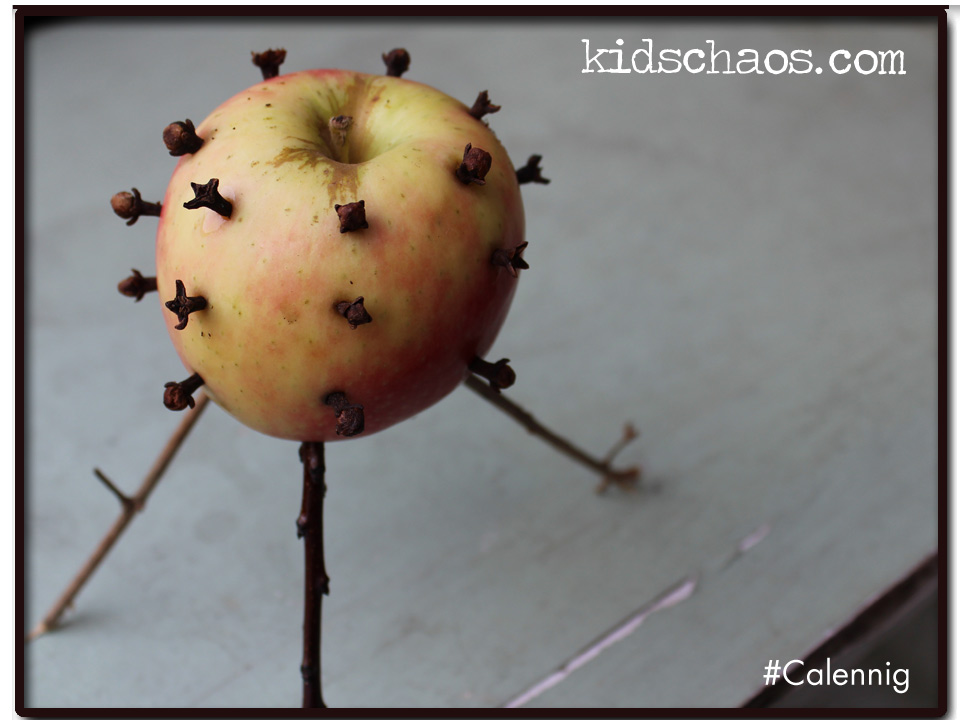
When my sister moved to Swansea a few years ago, she discovered some intriguing folklore we’d not heard of before – Calennig.
So Calennig is the tradition of New Year gift-giving – Giving these little apple delights pictured, to friends and neighbours will bring them good luck!
My boys, aged 11 and 9 areintrigued by this tradition and we are duly planning to visit our neighbours with apples punched with cloves, and ever-green leaves, and three little stick tripod legs – they are strangely delighted by this, and are dying to add some googly eyes (this idea has horrified several Welsh people!)
Another fun tradition is the Spanish Las doce uvas de la suerte, or “The twelve grapes of luck” – where a grape is eaten by the New Year’s Eve party goers on every chime at midnight, that’s 12 grapes, stuffed into one’s mouth, so much hilarity and spluttering of grape juice is had! The boys can’t wait to try this one this year, so for the adults we’re going to freeze the grapes for three hours, and serve them with dark chocolate (Divine being my chocolate of choice) and some Grappa, and for the kids, the smallest seedless grapes we can find for safety!!
For more top tips for New Year’s Eve ideas, from Maggy, Anthea and Kellycheck out the round up over on redtedart.com and for a bit of fun, watch us in a google+ hangout where we showcase LOADS of ideas on your screen here.