baking, cooking, cooking with kids

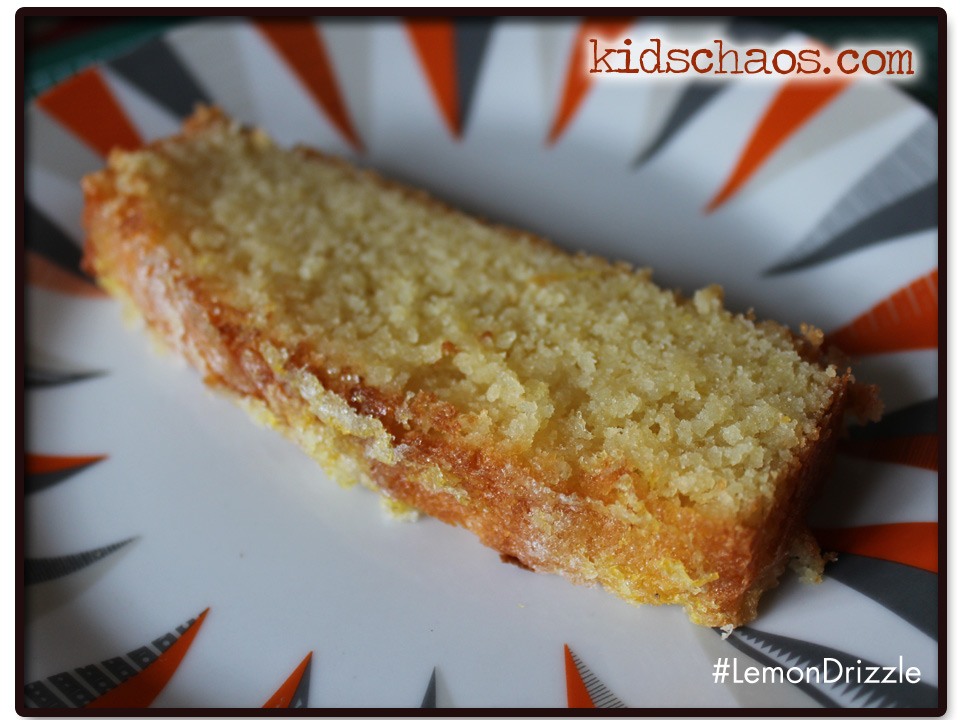
Lemon drizzle cake with ground almonds

lemon drizzle cakeWhat’s your favourite cake in your house? Ours has to be lemon drizzle cake…

we’ve have the recipe scribbled down on a piece of paper, shoved in the cake section of Delia’s cookbook, for years… Quite fortunate it’s our favourite cake really, as we sort of OVER-ORDERED the lemons on our Ocado delivery on Friday, and ended up with 12 lemons, yes, TWELVE lemons… oops!

So we wanted to share the recipe with you, and tbh, it makes it easier to find if we write it up on KidsChaos, as we just google ourselves ‘ kids chaos lemon drizzle’… 🙂

Admittedly this recipe doesn’t use all twelve lemons, however we make two lemon drizzle cakes at the same time as it disappears pretty quickly here, and we like to have it in our packed lunches in the week, in place of shop-bought snack bars (so just half the quantities if you only have a 1 litre loaf tin)

Lemon Drizzle Cake Ingredients:

350g caster sugar
350g butter, softened
4 unwaxed lemons
6 eggs
200g self-raising flour
150g ground almonds
A drop or two of milk
200g demerara sugar

Lemon Drizzle Cake Instructions:

1. Pre-heat the oven to 180C/160C fan. Grease and line two loaf tins with greaseproof paper. Beat together the caster sugar, butter, and the finely grated zest of two lemons until light and fluffy. Add a pinch of salt and beat in the eggs, one at a time.

2. Sieve the flour and fold in, then add the ground almonds (not essential, particularly if anyone has a nut allergy!). Add a tiny amount of milk to ensure the mixture has a dropping consistency, then pour into your lined tins. Bake in the oven for about 50-55 minutes, until your knife pulls out dry when you test it. Leave it in the tin for now….

3. Mix together the lemon zest, and juice of the lemons with your demerara sugar, then prod holes all over the top of the lemon drizzle cakes and pour over the lemon drizzle, so that it runs into all of the little holes.
4. Allow the lemon drizzle cakes to cool in the loaf tins before turning out.

honeycomb with chocolate fondueFor more delicious #cookingwithkids fun try our honeycomb recipe golden syrup pictured here…

Oh, and I’m on twitter.com/MoreKidsChaos too… Instagram is my new favourite thing, Erm, and funnily enough on Facebook and Pinterest! Pop over to say hello x Like it? Pin it!

If you enjoyed this, check out an updated version with poppy seeds over on incredibusy.com

Uncategorized

Creating A Stylish But Functional Playroom: 5 Key Tips

Creating a playroom can be a great way to help create a space in your home for your children to enjoy their toys and activities. There are a few ways to help ensure you and your children get the most out of the playroom you create. To help you get started, we’ve put together the following tips and inspiration for designing the perfect playroom that’s both functional and stylish.

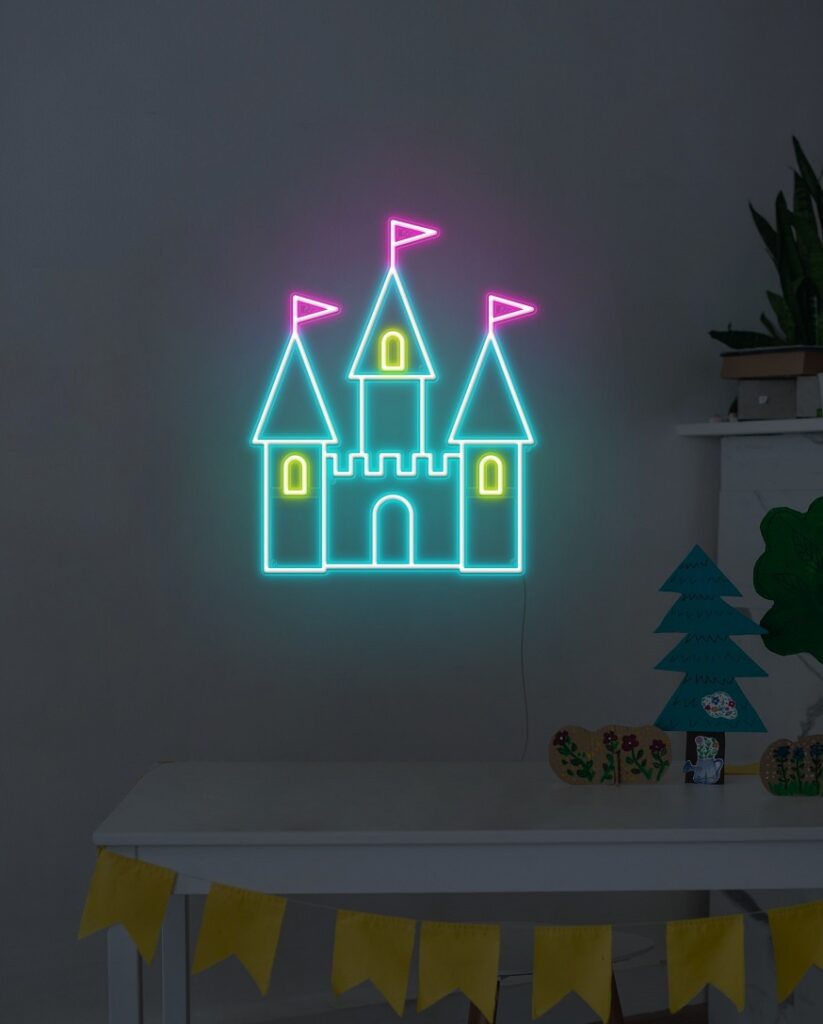
party-castle-neon-lights

Adding Customizable Features

Incorporating customised features in the design and decoration of your playroom can help to make your children feel more like the space is really theirs. This not only helps them to enjoy it more but also can create a sense of responsibility, which can help when it comes to dealing with problems such as tidying up and maintaining the space. Consider elements such as customized wall murals, or customized neon wall signs from Echo Neon to combine customised art and lighting in one.

You can customize using your kid’s names, or a phrase or song lyric that has meaning to you and your family, for example.

Effective Storage Solutions

It can be very easy for playrooms to end up looking chaotic and messy without the right kind of storage solutions to help keep toys organized and neat. Think carefully about the right kind of storage solutions that would work for the space you are creating the playroom in. For example, wall-mounted storage solutions, or integrated storage design such as benches or fold-away tables spaces. Consider which items you might want to have out on display or which ones you want to have stored away out of sight when they’re not being used.

Photo by Markus Spiske on Unsplash

Involve your Kid’s Input in the Design

Where possible, it’s a good idea to try and incorporate your kids in the design of the playroom to help make sure they are able to enjoy it as much as possible and be proud of their space. Allowing their input can help the playroom to reflect their personalities and interests, and provide them with the opportunity to be creative and problem solve. You can ask for their opinions on aspects such as color schemes, design themes, and different areas in the playroom such as arts and crafts or music zones that reflect their interests.

Using A Theme

Basing the playroom on a theme is a great idea to help create a room that incorporates the personality and interests of your little ones. It also helps to create cohesion when adding different design elements to your plans. Some great ideas for themed playrooms include designs such as under the sea, wildlife safari, or a favourite film or character. You can find inspiration for themed playrooms online and helpful design elements to make them work. Adding elements such as wall murals can help incorporate the theme and can either be completed by hiring a local artist or by yourself if you’re blessed with artistic skills.

Creating Zones

Creating zones within a playroom can help to make the space work more effectively and keep toys organized and easy to find. Using furniture can help to section off different zones and can double up as storage space such as bookshelves or toy box storage.

Uncategorized

Photo by @juliusjansson via Unsplash

Finland’s capital city, Helsinki, is visited by hundreds of thousands of tourists annually. These visitors flock to the city due to its stunning natural beauty, cultural attractions, and commitment to sustainability. If you’re planning a family trip to this picturesque city, you’ll be delighted to discover that Helsinki offers a wide range of kid-friendly eco-tours and nature excursions. These activities not only provide valuable outdoor experiences but also instill a love for the environment in your children while making a positive impact on our planet (and their health).

From lovely national parks to picking mushrooms to forest bathing, it’s not hard to find something to do with kids here that’s both fun and ecologically responsible. You should plan to rely on public transportation and walking to get around Helsinki to minimize your carbon footprint. And with all the exploring you’re bound to be doing, it’s a good idea to have a plan for your bags. Drop them off with a Bounce luggage storage service in Helsinki and get to wandering.

Nuuksio National Park: A wilderness adventure


Photo by Gabriella Clare Marino on Unsplash

A world-class wilderness escape is a mere 40-minute drive from the city center. Nuuksio National Park is home to tranquil lakes, lush forests, and diverse wildlife, so the kids definitely won’t get bored here. 

To add a little structure to your visit, Nuuksio offers various eco-tours and activities designed for children, such as guided forest walks, wildlife spotting, and even wilderness camping experiences. 

While exploring Nuuksio, your children can learn about the local ecosystem and the importance of preserving it. The park’s emphasis on sustainable practices, such as waste reduction and recycling, sets an excellent example for young environmentalists.

Finnish Nature Centre Haltia

On the doorstep of Nuuksio National Park, you’ll find the Finnish Nature Centre Haltia, which will provide the whole family with information about Finland’s National Parks. With a focus on experiencing nature using all five senses, this centre also hosts events and workshops regularly.

Learn about the various flora and fauna of the park and the wider region, as well as talks about moving in nature, outdoor adventure skills, and even join a guided tour of the adjacent park.

One of the most striking features of the nature centre is the building itself. Built entirely of wood (except for the windows, obviously), the rounded walls, glass-edged terrace, and well-maintained landscaping are enough to draw you in. 

But it gets even better than that from an eco-tourism perspective. The building was designed to require minimal lighting, cooling, and heating. They achieved this by paying close attention to window placement, the building’s orientation, and the structure’s shape. Additionally, to keep the carbon footprint low, Haltia uses solar energy from panels and geothermal energy from the soil to cool and heat the building.

Lammassaari Island

Helsinki, Finland by Santtu Perkiö (@santtupee)

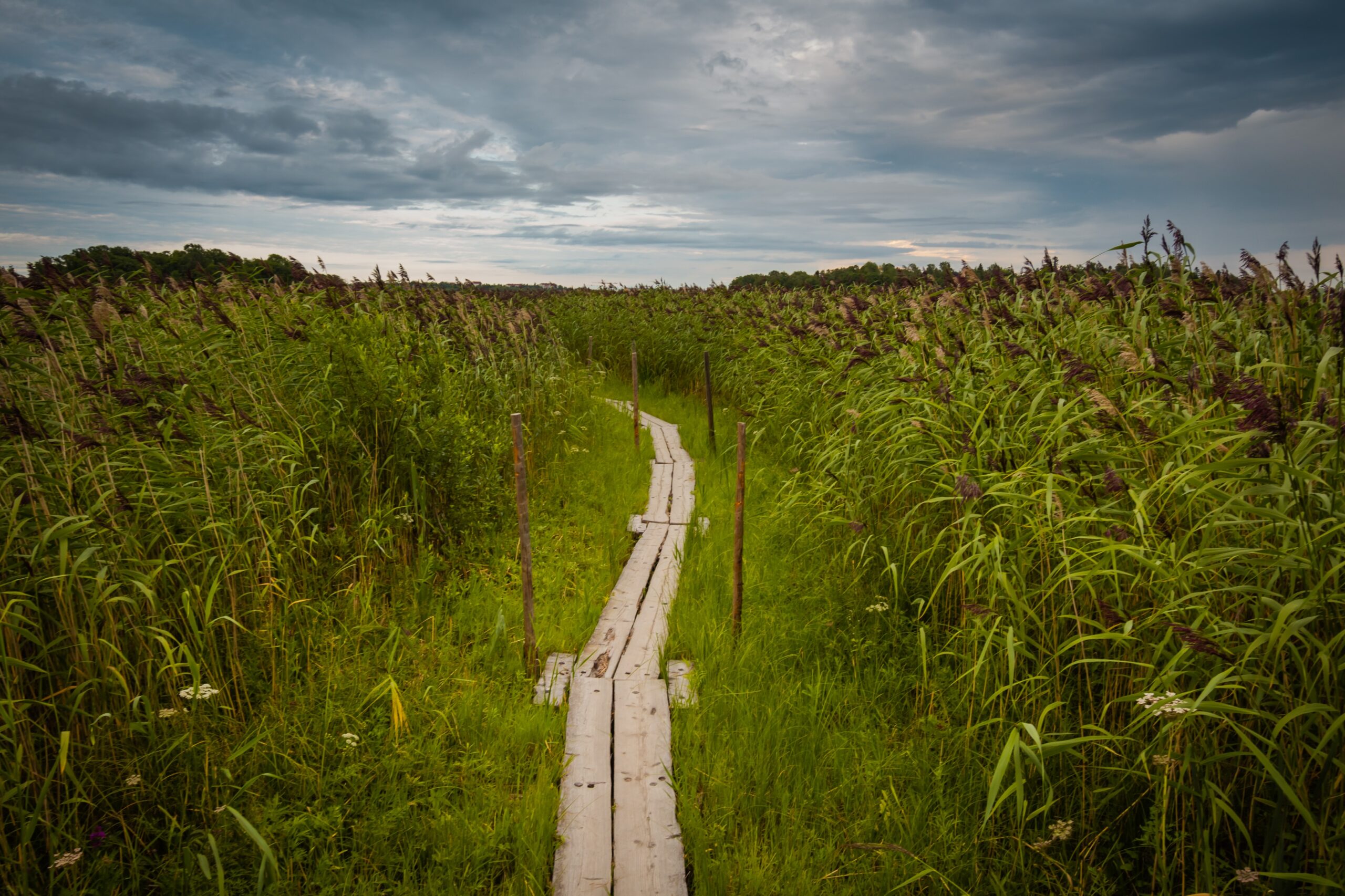
Lammassaari Island, situated in northeastern Helsinki, is a haven for bird-watching enthusiasts and families who appreciate unspoiled nature. The island is only reachable over a 1.2 km-long trail made of wooden duckboards that travel over the marshes. Here, you and the kids can get to know the local bird population from the various bird-watching platforms, hides, and viewpoints. Spring and fall are the best times to view the collection of migrating birds.

Lammassaari promotes a “leave no trace” philosophy, so it’s a good lesson about protecting the local wildlife and vegetation. 

The name translates to Sheep Island, although don’t get the kids’ hopes up as this island doesn’t have any sheep. You’ll have to travel to nearby Kuusiluoto Island to see them, and even then, it’s only in the summer.

Linnanmäki Amusement Park

Photo by Juhani Pelli on Unsplash

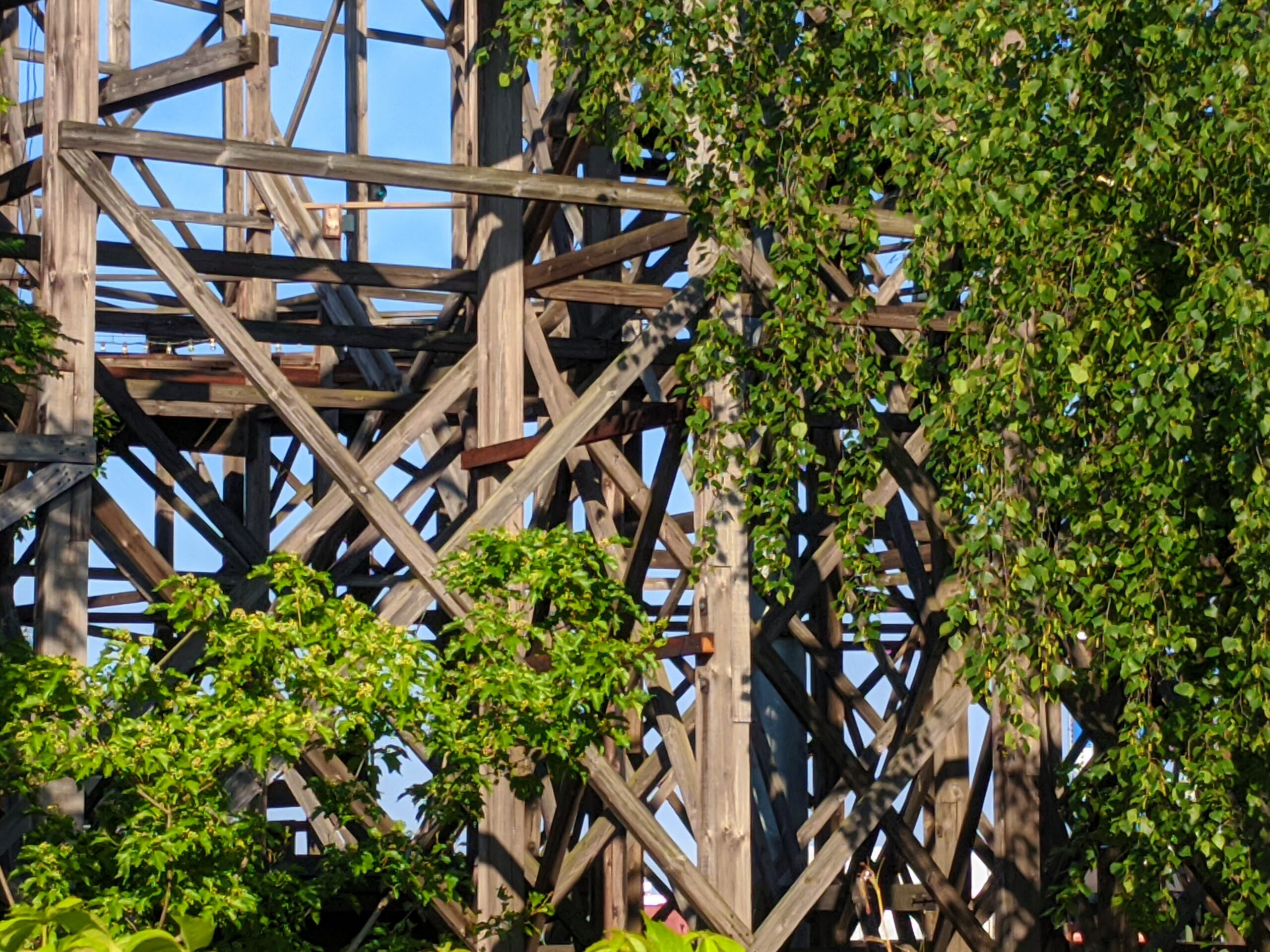
We know, an amusement park doesn’t exactly scream eco-friendly and sustainable. But this one is different. Linnanmäki Amusement Park demonstrates a real commitment to the environment in a few ways. First, they have vegan items on the menus of every snack stand and restaurant in the park. Second, in 2023, the rides were powered exclusively using wind energy. And lastly, the park’s indoor locations use renewable district heating to keep things toasty warm.

Now for the fun part: the rides. Linnanmäki has over 50 rides alone, which should please kids of most ages. As for the games, there are more than 15 different varieties. And to combat waste, if you win a prize and don’t want to take it home with you, you can exchange it for an edible treat instead.

Another way that this amusement park is different is that The Children’s Day Foundation manages and maintains it. Through the money raised at the amusement park, this organization has pledged about €120 million to child welfare.

The park is open during the summer and periodically throughout the year, so check if it’s open before you arrive.

Sompasauna

For a unique and eco-friendly experience, consider a visit to Sompasauna. This community sauna near the city center is heated by wood and fueled by community contributions. Kids and adults are expected to help keep the saunas clean, get water, or even saw wood. Since the community runs it, there is no fee for a session, and it’s always open. If you have young children, you may need to give this one a pass, though. Some experts recommend saunas only for kids aged six or older.

Saunas are a way of life in Helsinki, and this is a perfect place to relax while appreciating Helsinki’s strong sauna culture. Surrounding the sauna, you’ll find a relaxed outdoor area with a DIY spirit, including art installations and a communal garden. It’s an excellent place for families to connect with locals and learn about sustainable, community-driven projects.

Conclusion

Helsinki’s commitment to sustainability and preserving its natural beauty make it an ideal destination for families looking to impart eco-conscious values to their children. By exploring Helsinki’s green areas, eco-friendly businesses, and even a sauna or two, your children can learn to appreciate the beauty of the natural world and understand the importance of protecting it for future generations.

Uncategorized

<strong>How To Save Money As A Busy Parent: Tips To Make Life Easier</strong>

As a busy parent, it can feel like you’re constantly spending money. From the weekly shop and clothes, to extracurricular activities and school supplies, it can be hard to save money. But it doesn’t have to be impossible. With a few simple strategies and tips, you can learn how to save money as a busy parent.

You can make life easier and still get what you need for yourself and your family. From cutting costs on everyday items to finding ways to save on your monthly expenses, there are plenty of ways to trim your budget and put some money away for a rainy day. So, ifc v;laZ you’re looking for ways to save money as a busy parent, here are some tips that can help.

Create a Budget and stick to it

A budget is the key to saving money. There’s no way to get around it. If you don’t know how much you’re spending or where your money is going, you won’t be able to save. You’ll also have no idea where you can cut back and adjust your spending if you need to. It’s not as difficult as you might think to create a budget, either. You just have to be willing to put in a little time and effort up front to make sure you have everything laid out and recorded. For most people, the hardest part of the budget comes at the beginning when you’re trying to track everything. Find a method that works best for you. Some people like to use paper and pencil; others prefer to use an app. Whatever method you choose, make sure you’re consistent and thorough.

Get Better Deals With Local Car Insurance Brokers

Car insurance can be a costly expense, especially for families with multiple drivers.

If you stick with the same insurance company year after year, you’re likely overpaying. In fact, many people who have maintained continuous coverage with the same company don’t even realise they could be getting a better deal by shopping around and comparing rates with other insurance providers. If you’re looking for ways to save money as a busy parent, you may want to consider switching to a local car insurance broker. Insurance companies like these often provide cheaper rates than what you may be able to get through your current insurer. You can find local brokers by searching online for “car insurance near me”, or you can check out this comparison site that compares the top car insurance brokers in your area.

Photo by Markus Spiske on Unsplash

Buy Second-hand

Photo by Markus Spiske on Unsplash

Some things are best purchased new, but others are better off second-hand. For example, kids grow out of clothes quickly. Instead of spending money on new clothes all the time, consider buying them used. Kids’ clothes often look brand new when they’ve been outgrown, and they can be found for a fraction of the cost.

You can also sell clothes your kids have outgrown, too, to help offset the cost of buying them second-hand. You can find used toys and other items at charity shops and online marketplaces, too.

This post is written in association with Quote Zone.

gardening, gardening with kids

how to make a small pond

Create a Small Pond

This week brought lots of excitement to our little home! With warmer days on the way, we decided to get our garden prepped for spring. While we don’t have a sprawling backyard, we thought it would be fun to repurpose an old, watertight washing-up bowl to make a small pond.

Taking inspiration from the RSPB (the UK’s largest nature conservation organisation) and their #HomesForNature campaign, we saw this as a great opportunity to attract some fascinating wildlife to our garden. We’re hoping to see pond skaters, water lice, and freshwater shrimps. With luck, our mini pond might even become a favourite spot for birds to bathe. If they decide to stay the night, we’ve found a lovely birdhouse for them!

What You’ll Need:

Steps to Make Your Pond:

  1. Dig a Hole:
    Start by digging a hole deep enough to fit your container. Make sure it sits flat and level in the ground. The RSPB website has detailed guidance on this if you’d like more information.
  2. Fill the Edges with Soil:
    After placing the bowl in the hole, pack soil around its edges to keep it secure and blend it with the garden.
  3. Add Sticks and Stones:
    Arrange natural materials like stones or sticks around the edge to conceal the container’s rim. Rocks work best, so we’re planning a trip to the park to collect some!
  4. Layer the Bottom and Add Water:
    Cover the bottom of the bowl with sand or small gravel. Then fill it with water—rainwater is ideal, but tap water will do if needed. The RSPB website explains why rainwater is better for ponds.
  5. Plant Your Aquatics:
    Add your chosen pond plants to create a natural habitat. Not sure what plants to use? You can find more tips on the RSPB site.

And that’s it—your mini pond is complete!

Aftercare:

As the pond matures, the wildlife it attracts will naturally help maintain the water quality. During summer, topping it up with water from a water butt will keep it fresh and thriving. For more detailed aftercare advice, check out the RSPB’s resources.

We’re excited to watch our mini garden pond come to life and hope it inspires you to try something similar in your own garden!

Did you enjoy this? Share it with your friends!

Uncategorized

How Can The Weather Affect Skiing Conditions?

Is there anything more thrilling than a skiing trip?

There’s an undeniable romance in the idea of spending the day cruising snowy slopes on lofty Alpine peaks, before retreating to warmth and comfort of a log cabin and settling in beside a roaring fire.
That sounds perfect, right? For many, it truly is. However, the mountains can be dangerous places.

How Can The Weather Affect Skiing Conditions?  Photograph by Greg Rakozy
Photograph by Greg Rakozy

Conditions can be unpredictable and often extreme. Not only can this pose obvious dangers to a skier’s health and wellbeing, but the weather can also affect the quality of the skiing itself. You could be forgiven for thinking that all snow is the same and is fine for skiing either way. We’ve put together a guide to help dispel some of those myths. Keep reading to find out more.

Different types of snow

Snow can come in all kinds of different forms. From soft powdery snow to hard icy snow, to slushy, wet snow. The type of snow you encounter on the slopes can have a significant impact on your skiing experience.
If you asked an experienced skier, chances are that they would tell you that powdered snow is the best kind for skiing. Powdered snow is freshly fallen, untouched snow that offers a silky-smooth skiing surface. Powdered snow is preferred by experienced skiers as it allows them to generate speed quickly and easily, while its soft surface allows for more dexterous turns and fancy tricks. Beginners may also prefer to ski on powdered snow, it’s soft enough to act as a cushion if they were to fall.
Powdered snow that has seen a lot of traffic can turn hard and tough, this is known as packed snow. This might not be as enjoyable to ski on as powdered snow, but its strength and solidity can make for a more stable skiing surface.
It can be difficult to predict what kind of snow awaits you on the slopes. However, using a weather forecast platform like Piste Pro can give you an idea of how much snowfall is set to hit your destination of choice. Make sure to check it out before you set off on your trip.

The temperature

Obviously, it needs to be cold to snow. You don’t need to worry about that, you can be rest assured that it will be cold up on the mountains. However, particular temperature ranges can have an affect on skiing conditions, so it’s worth knowing what to expect.
Most experienced skiers report that the best temperature for skiing lies somewhere between -7 and -1 degrees Celsius. In this range, the snow will remain firm enough to ski on without melting or turning soft, while it will still be warm enough to enjoy a day’s skiing provided you are wearing the appropriate clothing.
Any colder and you could be in for a difficult time on the slopes. Clothes can only do so much, at low enough temperatures you’ll still feel the cold, and being out in these conditions too long can lead to serious consequences, such as frostbite.

Visibility

Visibility is crucial on a skiing trip. You’ll often be travelling at high speeds through treacherous terrain, being able to see where you are going is vital to avoid obstacles and other skiers. The sun can often affect visibility, reflecting off the whiteness of the snow and causing glare. Low cloud and fog can reduce visibility as well and make for dangerous conditions.

Conclusion

A skiing holiday can be an incredible experience. However, poor weather conditions can often turn a dream holiday into a perilous situation. Ensure you know what to expect and that you are aware of how the weather can affect skiing conditions.

This post is written in association with Piste Pro.

cooking with kids, crafts, gardening, gardening with kids

Bird Feeder Orange Half and Peanut Butter

DIY Bird feeder from half an orange

We have always been big ‘bird’ fans (no, not BIGBird, as in the Sesame Street character, although that has always quite amused…) – As a child we fed the birds in the garden at home, with various bird houses, structures and fat and seed balls, watching to see if the naughty squirrels had somehow managed to nab the grub before the bluetits could get to it!Bird Feeder Orange and Peanut Butter

Bird-Feeder-Peanut-Butter-ingredients-KidsChaos
So we wanted to share this easy birdfeeder with you –

you will need:

half an orange

some peanut butter

some bird seed…

string – (we love the baker’s twine!)

Bird-Feeder-Peanut-Butter-pierce-the-sides-KidsChaos

Scoop out the content of the orange (we have a smoothie every day, so we added the orange to that).

Spread some peanut butter into the orange skin, and add the seeds.

Pierce holes in the side of the orange skin ‘cup’ – actually do this BEFORE you add the peanut butter and seeds!

Thread string, and hang on tree…

We’ve also done this with a toilet roll – can you believe! Click here to read more and here for more fab bird feeder ideas.

Ali also blogs over on Incredibusy.com and is a lover of Instagram… pop over and say hello to us on @kidschaos_blog too!

travel, Uncategorized

Make The Most Out Of A Week In Johannesburg With These Useful Travel Tips

South Africa is one of the most exotic and action-packed family holiday destinations in the world. It comes with the promise of adventure and thrills. There are so many facets and sides to this fascinating country that for the first-time visitor, it can be hard to know where to even begin.

If you’re planning to visit the nation’s capital Johannesburg, you’re no doubt brimming with a mixture of excitement and nerves. It’s a city that’s often spoke of in legendary tones, it is rich in history and steeped in culture. If you’re heading there for a holiday and you’re not quite sure what to expect, check out our guide with the top tips for spending a week in Johannesburg.

Unsplash photo from
Kwena Mashale

Be on your guard

Johannesburg has long held a reputation for being a city awash with crime and social problems. While the city certainly has a checkered past, it’s no more or less dangerous than many other major metropolitan hubs. That being said, you must remain vigilant at all times. Criminals anywhere see tourists as easy and attractive targets, both for their unfamiliarity with the local area and for their habit of carrying around valuables like cash, passports, or cameras.

Busy areas like the city’s main train station, Park Station, can be hotbeds for pickpockets and thieves. Keeping your valuables in a money-belt secured under your clothes can be an effective way of protecting them from pickpockets.

Before you set off, ensure you’re covered with a travel insurance policy. For example,  a travel insurance company like Staysure will cover you if your valuables are lost or stolen, as well as offering cover for cancellations, lost baggage, or medical expenses.

Where to stay

Johannesburg is an enormous city, with a metro area population of 6 million, it is the largest land-locked city in the world. It is made up of several distinct neighbourhoods and areas, each with their own unique characteristics and quirks. Where you choose to stay will depend on the type of holiday you’re looking for.

Rosebank and Melrose are probably the cities safest areas, perfect for a relaxing holiday with no worries. If you’re looking for a little more culture, consider staying in Bryanston or Randburg, there you’ll find plenty of stores, coffee shops, restaurants, and museums. 

For younger people looking for something cooler, Maboneng is trendy neighbourhood with art installations, live music, and rooftop bars.

The language barrier

You will find English speakers in South Africa. However, you’ll also encounter many more dialects, as the country has an incredible 11 official languages. The most common of these are Zulu, Xhosa, and English, so it will be worth your while learning some words and phrases before you head off.

nomvula-moepya-botanical gardens Johannesburg via unsplash
Botanical Gardens (Nomvula Moepya)


Using the native language will help endear you to the locals in the area. It will demonstrate that you’ve made an effort and that you are appreciative of their hospitality, you should be pleasantly surprised to see that effort returned in kind.


Conclusion

Johannesburg is a city with many sides. It has been somewhat unfairly maligned in the past, deemed an unsafe, dangerous place where walking the streets is not advised. While, like any major city, it does have some riskier areas, there is so much Johannesburg can offer no matter what kind of holiday you’re going on. To make the most of your time there, choose the best neighbourhood to stay in, learn a few phrases in some of the many local languages, and be aware of your surroundings to guarantee yourself a memorable stay.