crafts, kids, teenage reviews

How To Use Peel and Stick Wallpaper With Your Kids: From Full Rooms to Crafts

Decorating your home with kids can be a fun, creative, and bonding experience. With the rise of Peel off wallpaper, transforming a room has never been easier. Unlike traditional wallpaper, peel and stick options are simple to apply, remove, and reposition, making them ideal for families who want flexibility and style. From full-room makeovers to small DIY craft projects, this guide covers everything you need to know to use peel and stick wallpaper with your kids.


Why Peel and Stick Wallpaper Is Perfect for Kids

Peel and stick wallpaper offers numerous benefits for families with children:

  • Easy Application: No paste, no mess, and no special tools are needed.
  • Removable & Reusable: Mistakes are easy to fix, and designs can be changed as kids grow.
  • Safe for Walls: Gentle adhesive won’t damage paint or plaster.
  • Variety of Designs: Endless options from playful patterns to educational motifs.

By choosing kids wallpaper, you can create a room that’s not just functional but also a source of inspiration for your little ones.


Transforming Full Rooms With Kids Wallpaper

When you want to make a big impact, covering an entire room with peel and stick wallpaper can completely change its feel. Here’s how to do it effectively:

1. Choose the Right Design

  • Theme-Based Rooms: Jungle, space, ocean, or fairy tale themes work well for kids.
  • Color Psychology: Soft blues and greens create a calming effect, while bright yellows and reds add energy.
  • Durability: Select high-quality peel and stick wallpaper that resists peeling and can handle occasional cleaning.

2. Measure and Plan

  • Measure the walls carefully to determine how much wallpaper you’ll need.
  • Sketch the layout to align patterns and avoid mismatched designs.

3. Prep the Walls

  • Clean walls thoroughly to remove dust and grease.
  • Smooth out bumps or holes for the best adhesion.

4. Involve Your Kids

  • Let them pick patterns or help with small pieces.
  • Encourage them to place stickers or smaller wallpaper sections under supervision, boosting their creativity.

Accent Walls: Adding Style Without Overwhelm

If a full-room makeover feels like too much, start with an accent wall. Accent walls create a focal point and give personality to a room without overpowering the space.

Steps to Create a Perfect Accent Wall

  1. Pick the Right Wall: Choose a wall visible upon entry or behind a bed or play area.
  2. Select Bold Patterns: Vibrant designs work best for accent walls, while surrounding walls can remain neutral.
  3. Layer Subtle Textures: Mix plain and patterned wallpaper for depth and visual interest.

DIY Crafts With Peel and Stick Wallpaper

Peel and stick wallpaper isn’t just for walls. Its flexibility allows for fun and educational crafts with kids. Here are some ideas:

1. Cover Notebooks and Journals

  • Kids can personalize school supplies with favorite patterns.
  • Teaches organization and pride in ownership.

2. Create Decorative Panels

  • Cut wallpaper into smaller panels for shelves, toy boxes, or closet doors.
  • Use removable wallpaper to change designs seasonally.

3. Art Projects

  • Let kids cut shapes and create wall art or collages.
  • Encourages fine motor skills and color recognition.

Safety and Tips When Using Peel and Stick Wallpaper With Kids

To ensure a smooth experience, follow these practical tips:

  • Keep Small Pieces Away from Infants: Some designs may involve tiny, peelable elements.
  • Avoid High Humidity Areas: Bathrooms may reduce adhesive effectiveness.
  • Supervise Tools: Scissors and rulers should always be handled safely.
  • Clean Walls First: Dust-free walls improve adhesion and prevent air bubbles.

Step-by-Step Guide to Applying Peel and Stick Wallpaper

Here’s a detailed guide to make your wallpaper application stress-free:

Materials Needed:

  • Peel and stick wallpaper
  • Measuring tape
  • Pencil
  • Level
  • Smoothing tool (or credit card)

Instructions:

  1. Measure and Cut: Pre-cut wallpaper panels to fit your walls.
  2. Peel Backing Gradually: Remove a small section of backing to avoid sticking incorrectly.
  3. Align and Apply: Start at the top of the wall, smooth downwards using a squeegee or card.
  4. Smooth Bubbles: Press out air bubbles from the center to edges.
  5. Trim Edges: Use a sharp blade to trim excess wallpaper along corners or edges.

Creative Ideas for Kids’ Rooms

  • Learning Walls: Alphabet, numbers, or maps printed on peel and stick wallpaper can turn walls into interactive learning tools.
  • Chalkboard Peel and Stick: Some wallpapers double as writable surfaces for drawing and practice.
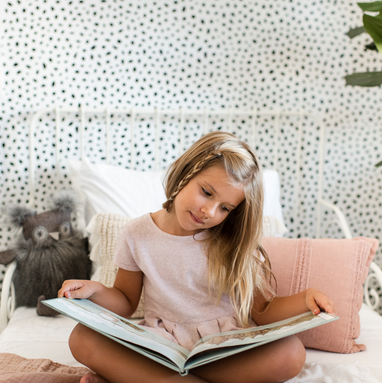
  • Theme Corners: Create a small reading nook or art area with themed wallpaper to make the corner special.

Maintenance and Updates

One of the best features of peel and stick wallpaper is its removability:

  • Easy Cleaning: Wipe with a damp cloth to remove dirt or stains.
  • Quick Updates: Swap out old patterns as your child grows or as seasons change.
  • Damage-Free Removal: Simply peel it off without harming paint or wall texture.

Benefits of Using Kids Wallpaper

Using kids wallpaper has advantages beyond aesthetics:

  • Encourages Creativity: Children learn to appreciate colors and patterns.
  • Boosts Confidence: Letting kids help in decorating gives them a sense of ownership.
  • Stress-Free Decor: Peel and stick wallpapers reduce the mess and commitment of traditional options.
  • Flexible & Affordable: High-quality designs are budget-friendly and easy to replace.

Final Thoughts

Decorating with peel and stick wallpaper is a fantastic way to involve your kids in creative projects, refresh rooms, and explore endless design possibilities. Whether you’re tackling a full room transformation, creating an accent wall, or engaging in fun craft projects, this type of wallpaper provides flexibility, safety, and style.

Explore high-quality designs at Love vs Design and transform your home with kids wallpaper that inspires fun and creativity. Decorating with peel and stick wallpaper is a perfect addition to any family home. For interior design enthusiasts, guest posting opportunities can help you share ideas, trends, and DIY inspiration with a larger audience.

This has been a collaborative post.
crafts, teenage reviews

7 Fun Paint by Numbers Projects That Will Keep Your Kids Entertained for Hours

Introduction: Creative Screen-Free Entertainment That Sparks Joy

Every parent knows that moment when you’re desperately searching for something meaningful to occupy little hands without handing over another device. You want activities that actually engage their minds, not just fill time between meals. Paint by numbers delivers exactly this rare combination: a structured creative outlet that kids can genuinely master on their own while building real skills.

Unlike freeform painting that can frustrate beginners, or coloring books that some kids find too simple, creative painting activities for children like paint by numbers provide just enough guidance to ensure success while leaving room for genuine artistic expression. Each completed section brings visible progress, and that finished masterpiece becomes something worth displaying with pride.

Beyond keeping kids happily occupied, these projects quietly develop fine motor control, color recognition, sustained focus, and patience. Most importantly, they build artistic confidence through achievable challenges that look impressive when complete.

Essential Supplies Needed for Kids’ Paint by Numbers

GGetting started with kids’ paint by numbers doesn’t require a huge investment, but having the right supplies makes all the difference. At minimum, you’ll need a quality starter kit that matches your child’s age and skill level. Look for designs with clear, easy-to-read numbers and enough contrast between sections to avoid confusion.

Most kits include everything essential:

  • Pre-mixed acrylic paints in numbered containers (always check they’re non-toxic)
  • Multiple brush sizes for different area dimensions
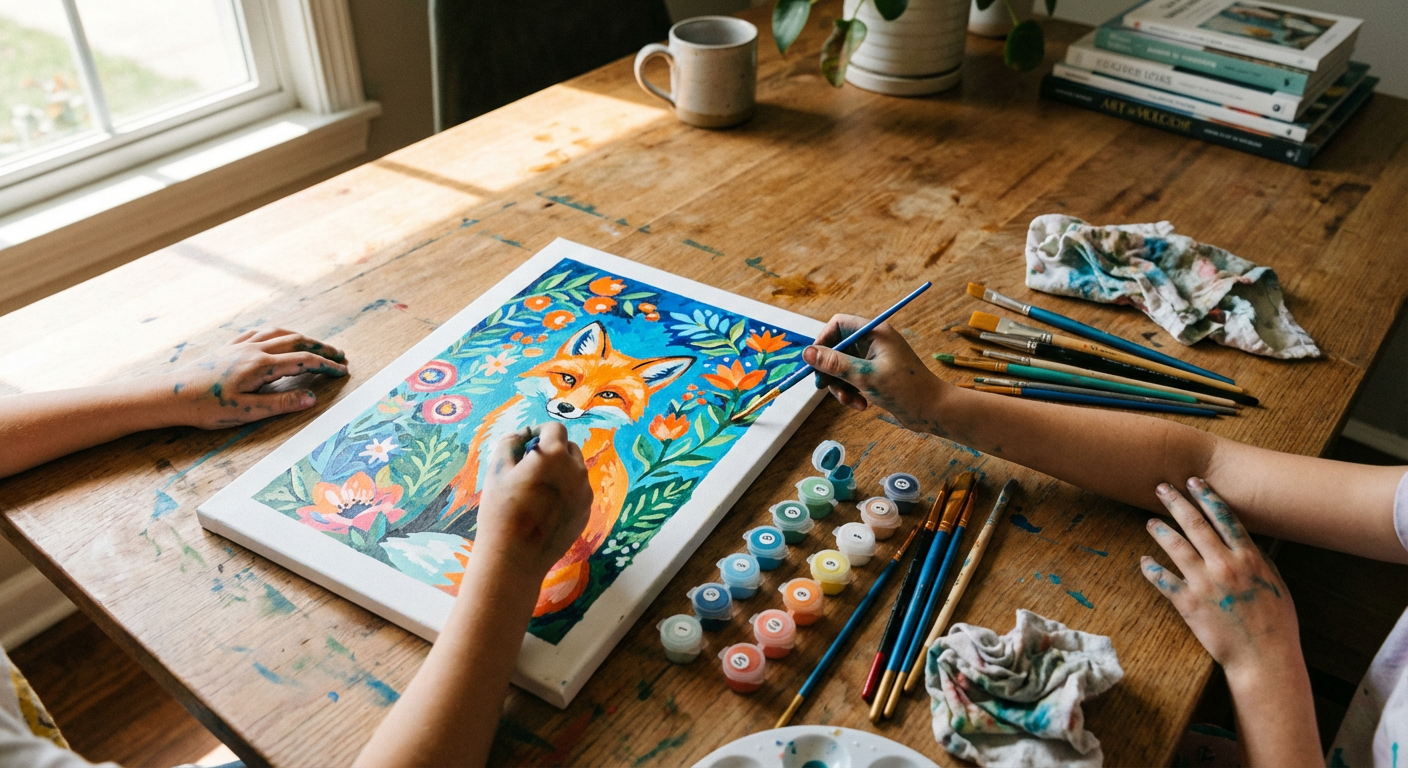
  • A numbered canvas with the design already printed

Beyond the basics, gather a few household items. You’ll need a water cup for rinsing brushes between colors and some paper towels for quick cleanup. An old shirt or apron protects clothing from inevitable drips.

Here’s a game-changer many parents overlook: use an easel or prop the canvas at a 45-degree angle rather than laying it flat. This helps kids see their work better and reduces neck strain during longer painting sessions. Your child will thank you after an hour of focused painting!

Finally, position a bright lamp or natural light source directly above the workspace. Good lighting prevents eye fatigue and makes those tiny numbers much easier to spot, especially in darker paint sections.

7 Paint by Numbers Projects Perfect for Kids

Finding the right paint by numbers project transforms a simple activity into something your child will talk about for weeks. The secret is matching designs to their passions while considering their current skill level. Here are seven categories that consistently captivate young artists:

  1. Animal portraits – tigers, elephants, and pandas with bold features and clear sections
  2. Underwater scenes – colorful fish, friendly dolphins, and coral reef landscapes
  3. Space adventures – rockets, planets, and astronauts exploring the cosmos
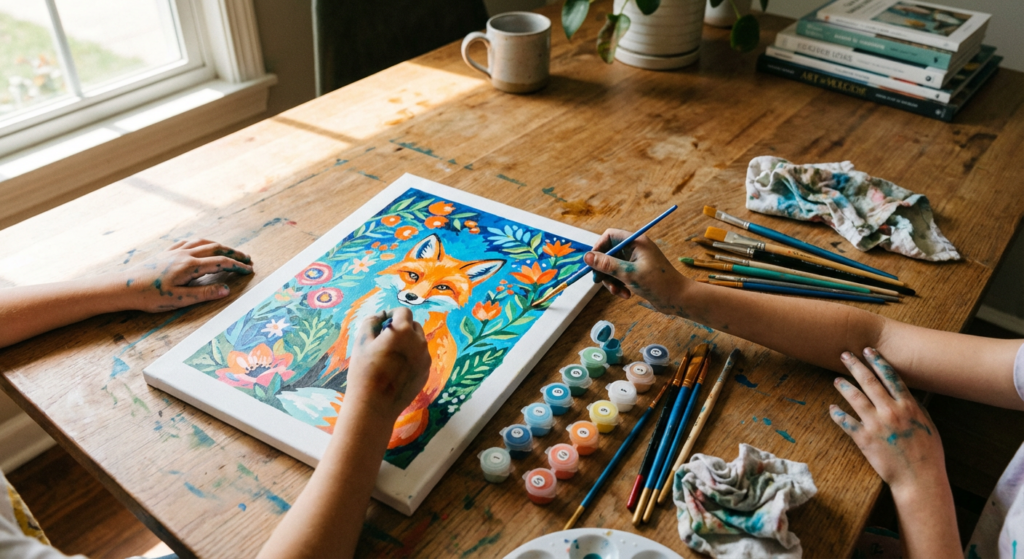
  4. Woodland creatures – foxes, owls, and deer in forest settings
  5. Fantasy characters – dragons, unicorns, and magical creatures that spark imagination
  6. Seasonal themes – autumn leaves, winter snowscapes, or spring flower gardens
  7. Vehicle collections – fire trucks, race cars, and construction equipment

Each category offers different engagement levels. Animals typically feature larger paint zones perfect for beginners, while space scenes often include intricate star patterns that challenge developing skills. Brands like Davincified offer extensive collections across all these project categories, with canvases shipped in protective tubes to ensure they arrive in perfect condition.

Smart Techniques for Successful Painting Sessions

Setting yourself up for painting success starts with strategic workspace organization. Arrange paint containers in numerical order so you can grab the right color without searching through dozens of tiny pots during focused work.

The single-color method is your efficiency secret. Find every spot marked with one number and paint them all before switching colors. This keeps your brush cleaner, builds momentum, and reduces time spent on cleanup. When changing colors, rinse thoroughly until water runs clear, then blot on paper towels.

Here’s a game-changer: start painting from the top corner and work downward to avoid smudging wet paint with your hand. This is especially important when working with kids who tend to rest their hands on the canvas while concentrating on detailed sections.

Break your canvas into distinct zones like finishing the sky first or completing one object at a time. Experienced paint by numbers providers like Davincified design their kits with clear numbering systems that make these techniques easier to implement. Keep sessions between 30 and 45 minutes to maintain fresh hands and sustained enthusiasm throughout your project.

Conclusion: Building Confidence One Brushstroke at a Time

Paint by numbers transforms the artistic journey from an intimidating challenge into an achievable adventure, offering benefits that extend far beyond the canvas. Your child gains patience through methodical work, focus during creative sessions, and that irreplaceable sense of accomplishment when stepping back to admire their finished masterpiece. These projects create meaningful screen-free family time where conversation flows naturally while hands stay busy.

The beauty of this medium lies in removing barriers that typically discourage beginners. There’s no “wrong” way to fill in numbered sections, making it perfect for children taking their first steps into creative expression. Note that quality providers like Davincified offer age-appropriate difficulty ratings to help parents select the perfect starting project for their child’s skill level.

Consider these ideas as your collection grows:

  • Frame completed works professionally to show they’re truly valued
  • Rotate pieces seasonally on a dedicated gallery wall
  • Give paintings as heartfelt gifts to grandparents or teachers

Start simple, match projects to your child’s current abilities, and gradually introduce more complexity. Through this gentle progression, you’ll witness their artistic confidence bloom naturally, one carefully painted section at a time.

This is a collaborative post.

crafts

Ways to Effectively Scale your Small Business

If you are trying to build a start-up, then you will know how important it is to try to scale it over time. If you don’t, then you may find that you end up stagnating, and this could have huge consequences for you overall. If you want to help yourself here, then you need to know that growing your small business will take time and money, but there are things you can do to try and speed things up a little.

Do your Research

The first thing you need to do is your research. This not only allows you to better understand your customers, but it also helps you to gain insight into who your target market is and how you can effectively use your ads. This is a great way for you to let your brand grow, and it also allows you to change so you can run your business in the most efficient way possible. Don’t forget to try to research your competitors as well. Knowing what their strengths are, as well as their weaknesses, is the best way for you to drive your decisions, and it also allows you to scale your company to the best of your ability.
Build a Sales Funnel

Another thing you need to do is try to build a sales funnel. This is one of the best ways for you to take your business to that next level. As a general rule, your sales funnel should be a way for you to document your customer journey. When someone finds you, they are essentially at the top of the funnel, but at the same time, you need to find ways to try to move people down a well. This can include offering them a discount or even trying to find ways to get their contact information so you can get updates on your business. Things like this can make a huge difference, and you would be surprised at how much it could help you to stand out in the future. Depending on the type of business you run, you can also look into POS solutions, so you can bring the final stage of the funnel right to your customers. You can find a POS solution for gyms online, for example, showing how there are no limits. 

Increase Retention

Finding ways to increase your customer retention is so important. You also need to find ways to have them come back time and time again. When you increase customer retention, you are essentially finding ways to increase loyalty, which will help you to build sales moving forward. Considering it costs way more to get a new customer than it does to keep one that you have, thinking about things like this is generally a great way for you to keep your business moving forward, which is great. If you can use a CRM system, then this will also help you move in the right direction, and it will give your business a big boost overall, so be mindful of that if you can. 

This is a collaborative post.

crafts, education, life, Uncategorized

Creative Projects That Help Children Cope With Family Transitions

Family transitions such as separation or divorce often leave children with feelings they struggle to express. The uncertainty of moving between homes, changing routines, and adjusting to new dynamics can make it difficult for them to put emotions into words. Parents may worry about how to support their children during these times, especially when conversations about change feel overwhelming.

Salt Dough Leaves
making salt dough leaves is fun

Creative activities provide a safe outlet for children to process their experiences. Art and craft projects give them tangible ways to show how they feel and can encourage communication in a relaxed setting. These approaches help children manage emotions and give parents opportunities to connect with them in meaningful ways.

Why Creative Activities Help Children Navigate Change

Children often lack the vocabulary to describe complex emotions fully. Craft-based activities allow them to communicate feelings through colour, shapes, and textures. A drawing or collage may reveal sadness or confusion in ways spoken words cannot. These projects offer comfort and allow children to share their inner world without pressure.

Having a physical creation to look at helps make emotions less abstract. For example, a child may struggle to explain what it feels like to live between two homes, but they might use drawings or patterns to represent the experience. Families also benefit from professional guidance, with support available from Manchester’s specialist family law firm when legal arrangements become part of the conversation. In other areas, parents may rely on divorce solicitors Leeds, family lawyers Leeds, or divorce lawyers Leeds to ensure arrangements are consistent and child-focused.

Emotion Jars for Understanding Feelings

Emotion jars are a simple yet effective way to help children express their feelings. Families can use jars or clear containers of coloured sand, glitter, or beads. Each colour represents a specific feeling, such as yellow for happiness or blue for sadness.

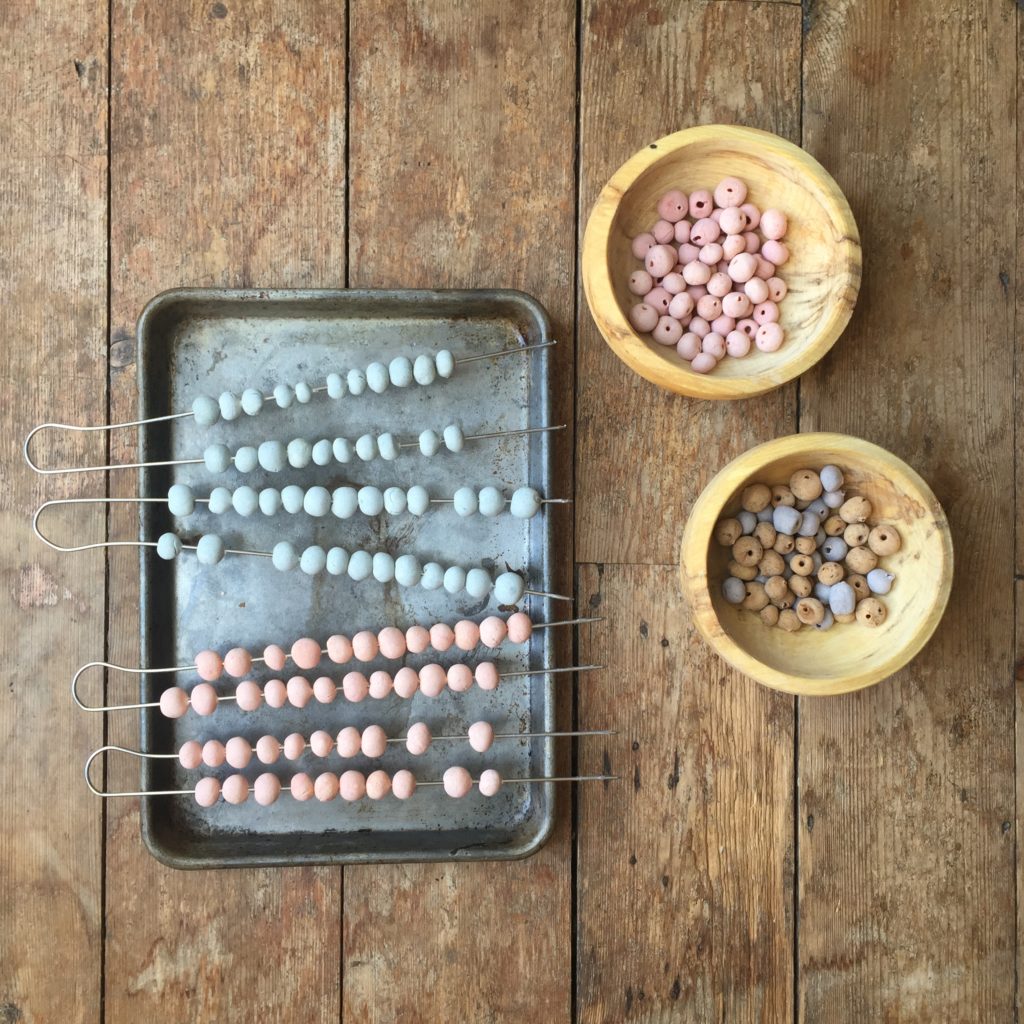
Add beads to your emotion jar
Add home-made beads to your emotion jar

The activity begins with a conversation about emotions. Children select colours to match their feelings and layer them into the jar. Over time, the jar becomes a reflection of their changing emotional state. Parents can also create their own jars, showing children that adults experience complex emotions too.

Regular check-ins using the jars make it easier to discuss feelings. Asking children which colour stands out most that day can open the door to conversations about worries, hopes, or frustrations. For parents navigating legal changes, advice from divorce lawyers in Leeds can provide reassurance, helping them keep the focus on supporting their children.

Family Change Calendars and Routine Boards

Visual reminders such as calendars and boards provide structure and stability. Families can use colourful designs, stickers, or symbols to mark when children will be at each parent’s home, along with school activities or special events. This clear visual plan helps children understand routines and reduces anxiety about what comes next.

Children can personalise these calendars by choosing colours or symbols for each household, making them feel part of the process. This not only supports organisation but also helps children feel more secure about upcoming changes.

Calendars should remain flexible to adapt to evolving arrangements. Parents can involve children in updating them, turning changes into shared activities rather than sudden surprises. Family lawyers Leeds and divorce solicitors Leeds often highlight the importance of consistency in routines, and tools like calendars help put this into practice in everyday life.

Memory and Connection Books for Stability

Memory or connection books allow children to maintain bonds with both parents. Families can use a scrapbook, photo album, or notebook to include pictures, drawings, messages, and small keepsakes. These books can travel between households, helping children feel close to both parents even when apart.

Children may find it easier to share their thoughts and experiences by writing or drawing in the book, especially if direct conversations are difficult. Parents can use the book to leave notes of encouragement, ensuring children always feel connected.

Divorce solicitors in Leeds often advise parents to create opportunities for children to maintain healthy bonds with both households. A connection book is one way to make this tangible, reinforcing stability during uncertain times.

Worry Monsters and Feeling Friends

Crafting worry monsters gives children a creative way to release negative feelings. By sewing or crafting a soft toy with a large mouth, children can write their worries on slips of paper and place them inside. This symbolic act of letting go helps reduce stress and makes emotions easier to manage.

For children who prefer imaginative play, puppets or “feeling friends” offer another route for expression. Acting out scenarios through role-play allows children to process difficult situations in a safe, controlled environment. These activities promote problem-solving and communication skills, giving parents insight into their child’s concerns.

Parents managing family transitions often turn to divorce solicitors Leeds or family lawyers Leeds to resolve legal issues while simultaneously using creative tools at home to protect their children’s emotional well-being. Combining practical and emotional support ensures families remain resilient during change.

Giving Children Creative Tools for Emotional Growth

Creative projects are more than activities; they are tools that support children’s development during times of transition. When children feel secure enough to express themselves, they gain confidence and resilience. Parents who encourage crafts as part of family life give children safe spaces to explore emotions while building lasting bonds.

Family lawyers Leeds and divorce lawyers Leeds often stress that supporting a child’s emotional needs is just as important as legal arrangements. Projects like emotion jars, calendars, and memory books complement these legal frameworks, creating stability inside and outside the home.

Helping Families Move Forward With Confidence

Family changes are never easy, but children can adapt successfully when given the right support. Creative activities give them healthy ways to process emotions, reduce stress, and feel reassured during uncertain times. Parents who invest in these practices often find that communication improves, relationships strengthen, and resilience grows.

Alongside creative strategies, professional guidance ensures families remain supported on all fronts. Parents can combine legal clarity with emotional care through divorce solicitors Leeds, family lawyers Leeds, divorce lawyers Leeds, or Manchester’s specialist family law firm. This holistic approach helps families navigate change while building stronger foundations for the future.

Building Stability Through Creativity and Support

Supporting children during family transitions requires both emotional and practical strategies. Creative projects give children safe and engaging ways to express themselves, while legal guidance provides clarity for parents. By combining these tools, families create an environment where children feel secure, valued, and understood.

This is a collaborative post.
crafts, create, easter, key stage 2

Pom pom Bunny
Pompom bunny

Pom pom Bunny has been very popular, we’ve made LOADS of them, and they are pretty easy to make (particularly if you have a pom pom maker!)

This is a really good Spring or Easter Craft, fairly straightforward, and much coveted amongst the kids’ friends. And very simple instructions to make the pom pom bunny.

You will need:

– Two yarn pom poms, one large for the body, one smaller for the head.
– Googly eyes
– Pink Hama bead/Perla bead or similar, a small pink or red button will do.
– Contrasting fabric for the ears.

Make the two pom poms, either in the traditional cardboard doughnuts, or using a fork, or a pom pom maker. We used a hot glue gun to adhere the two pom poms together. You could stitch them together too…

Glue the eyes and attach the ‘whiskers’ and little pink nose with a strong glue.

pompom bunny ears

Using pinking shears, cut the bunny ear shapes, and scrunching them to create creases at the bottom, secure them together with a piece of wool (the same wool as the pom poms so that when you tie them to the bunny’s neck, you won’t see the join).

I think this really makes the pom pom bunny quite unique, and it’s a great way to upcycle old bits of fabric – in fact you may recognise this blue fabric from the leaping rabbits denim pocket purse we made recently too – click here to check that out, you won’t be able to resist having a go at that!.

pom pom maker

If you would like to WIN a two pack Pom pom maker from Clover (35mm and 45mm) at Hobbycraft, pop over to our facebook page – LIKE our page, and tell us what you would like to make with this fabulous, easy to use pom-pom maker. (this giveaway has now closed, April 3 2014)

Ali also blogs over on incredibusy.com and is a new lover of Instagram too… pop over and say hello!

baking, cooking with kids, crafts, easter, kids

Bunny rabbit cookies with royal icing

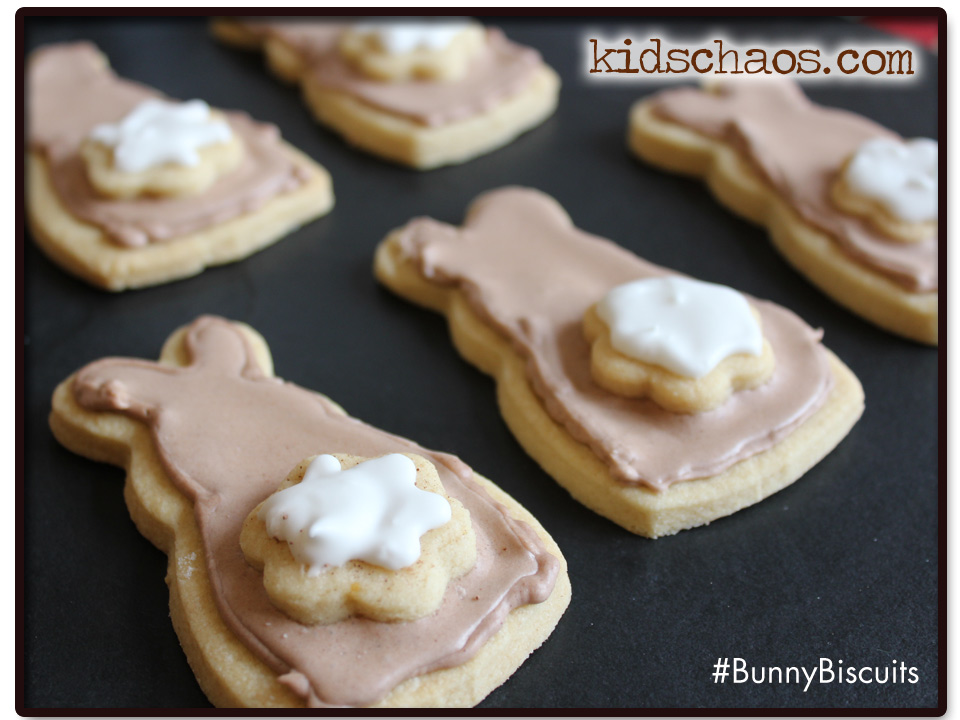
With Spring almost here, and Easter around the corner, we thought we’d rustle up some rabbit cookies – or bunny biscuits as we’ve named them! It was a great introduction for 9yo to practice his royal icing piping, and ‘flooding in’ – we learnt a LOT about icing technique!

bunny biscuits royal icing

There are LOADS of bunny cookie cutters around at the moment, we had one which was my Mum’s and for the tail you could use a flower cutter, or a small circle…

We used up some royal icing which had been in the fridge for a couple of days, and we have some TOP TIPS for you about this…see below!

Ingredients:

50g fairtrade caster sugar
100g butter
175g plain flour

Method:

Heat the oven to 150 degrees C (300 F, Gas mark 2)
Cream the caster sugar and the butter together, slowly adding the flour, mixing together to form a dough, I find we need to add a couple of drops of water, knead together to form a ball.

Roll out the dough, on a floured surface, to about 4mm thick.
Using your bunny shaped cutter, cut the dough, and place your bunnies and tails on a lightly floured baking tray, and bake for about 20 minutes, until golden brown. (feel free to make some spare rabbit tails… to munch on whilst you’re icing the rabbit cookies!)

KidsChaos-Bunny-Biscuits-royal-icing

bunny biscuits

As they cool down, you can make your royal icing (recipe here). Or if you are using some icing which you have been keeping in the fridge, as we were, TOP TIP make sure you really really stir the royal icing to get ALL of the lumps out, otherwise it sticks in the piping bag – and clogs the nozzle so that when you are piping the outline it stutters out, and the line will be all wobbly… 9yo wanted a pale brown bunny, so we mixed in his favourite hot chocolate mix, into a portion of the white royal icing and some more Fairtrade icing sugar, so that it’s quite thick to pipe the outlines. When this outline is dry, you add a drop of water to the remaining brown mixture, so that you can spoon it into the outline, and using a cocktail stick, gently ‘flood’ the biscuit, and prick any little bubble that appear.

Pop the ‘tail’ into position whilst the ‘flood in’ icing on the rabbit cookie is still wet, and pipe on the remaining white royal icing to make a fluffy tail!

red-ted-art-google-plus-hangout-kids-chaos-rabbits

For more Spring baking ideas, check out the daffodil cookies here and if you are after some more rabbit crafts have a look at my denim pocket purse with leaping rabbits here (FREE printable) – and watch our latest google+ hangout hosted by Maggy at Redtedart featuring Anthea, Lizzie, myself and Kelly – a great selection of Bunny Crafts!

For easy to follow instructions on how to make a little gift box from a paper plate, perfect for these cookies, please click here.

Tasty Tuesdays on HonestMum.com

Ali also blogs over on incredibusy.com and is a new lover of Instagram too… pop over and say hello! This post was first published March 2014

crafts, create, education, key stage 2

These skills your kids learn in school might surprise you

In the classroom, your kids learn about a range of academic subjects, and the basics like how to read and write. They gain the foundations for a fulfilling life through interactive classes at school and as you help with their homework. Children are also learning many soft skills, and you may not realise the many ways your child is developing to one day be a well-rounded adult.

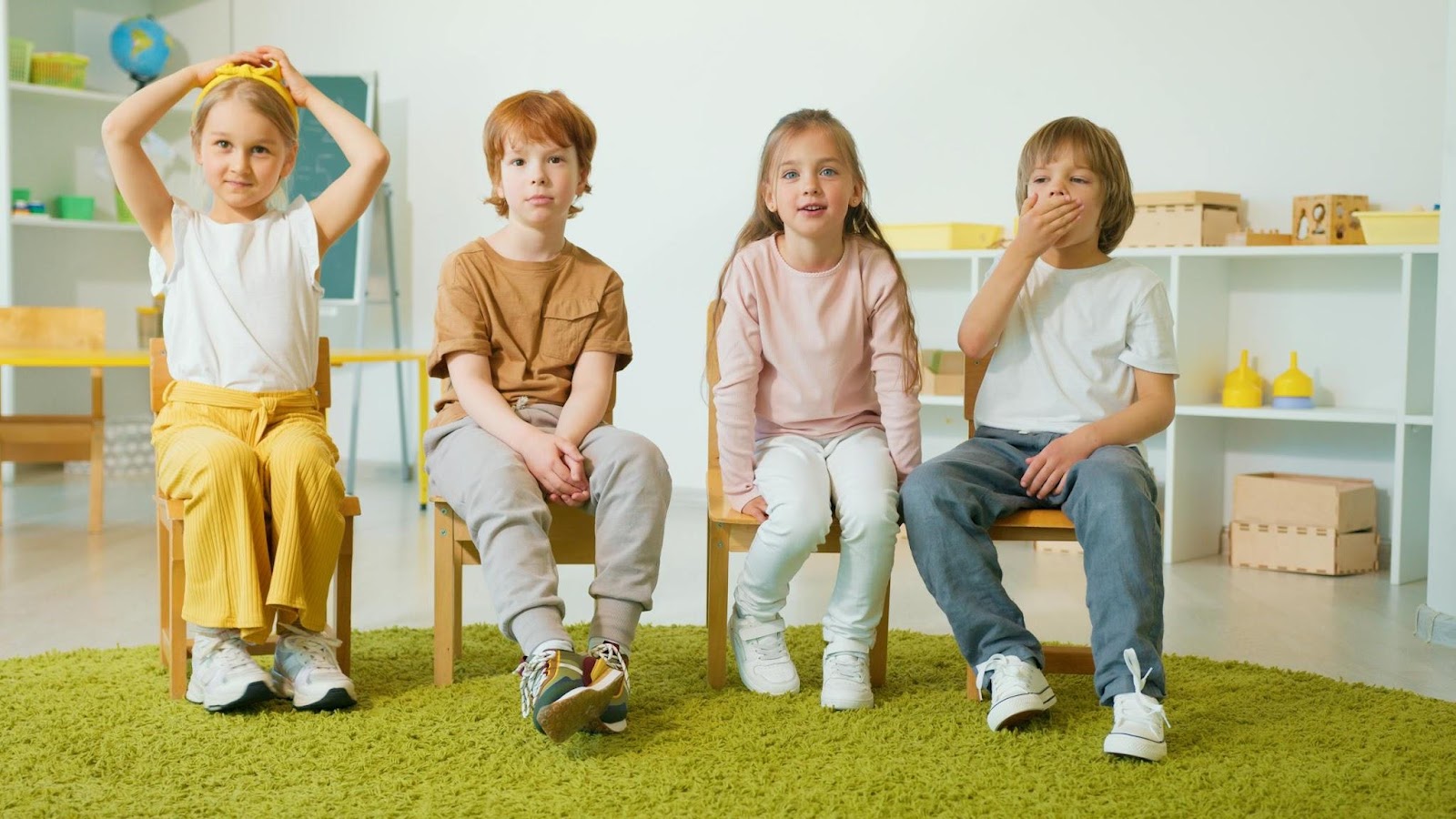
children playing and learning

What are ‘Soft Skills’?

This term refers to general traits that help individuals relate better to and get along better with one another. These interpersonal skills can help them professionally in the workplace, as they get along well with coworkers, and personally, as they form friendships more easily and appreciate others. Below are four soft skills they learn in a quality educational environment.

Great Teamwork

Along with learning about numbers and spelling in school, children also learn from teamwork. They can learn how to problem solve in classes with group projects, for example, to help them become strong at critical thinking. They also learn how to work together toward a goal, such as completing a cake recipe or developing a class presentation together. Kids can also develop friendships with classmates who teach them about respecting someone else and having empathy and compassion. 

Strong Communication

There are many ways to communicate at any age. That includes verbal and written. A couple of other ways that you might not have readily thought of are drawing, reading and listening. Becoming good at communicating involves all of these areas, and it is important for students to excel in this area as it will help them form connections with others. That can prevent social isolation, sadness, hopelessness, and reduced self-esteem. Feeling more confident can help kids and teens do well in academic classes as they believe in themselves.

Science Sparks Book review

Leadership Skills

The beginnings of being a great leader can be seen in many children inside and outside the classroom. For example, they may try many sports and need to be resilient if they do not make the team or their team does not win every game. They may also want to volunteer from a young age and be great at managing their time. These skills are reinforced in quality state and boarding schools, where the focus is on personal growth and learning. 

The Basics of Manners

Good manners are important in social life; developing them can happen in school. That could be the words “please” and “thank you”, as well as keeping the door open for the person behind them, these activities show respect and appreciation for other people. Youth can also practice sharing with their classmates to teach them positive interactions with others as part of healthy development.

Summary of School Skills

Kids learn more than just academics at school. They also build soft skills, from teamwork and communication to creativity and leadership, which can prepare them for future school years and adulthood afterward. Ask your children what they are learning in class, and their responses are likely to pleasantly surprise you.

This is a collaborative post.
crafts, google+ hangouts, key stage 2, kids

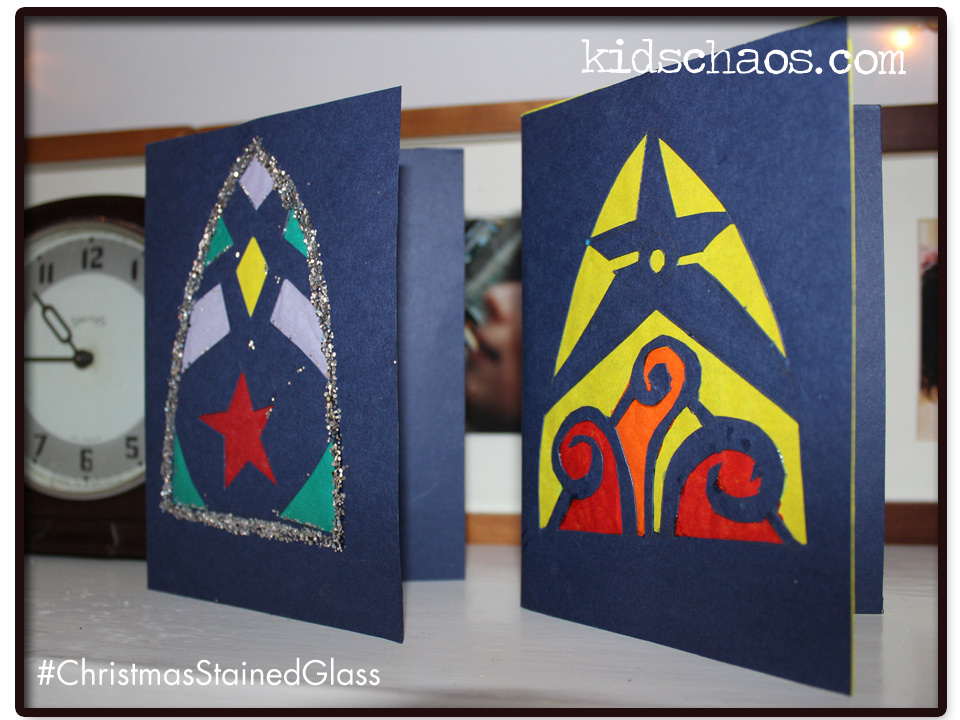
Christmas Cards – Stained Glass

There’s still time to make your CHRISTMAS cards, let’s get creative!

KidsChaos_ChristmasCardsStained-Glass

So we’ve gone all churchy and made these lovely stained glass window style cards…. cutting shapes from the card, and gluing coloured tissue paper behind the apertures.

Eek… I let the boys use a scalpel!

These look fab with a tea-light popped inside (battery operated for safety) or stuck to a window.

Christmas-Card-Hangout-RedTedArt

You may also like our Potato print button nose rudolph cards, and to watch the google+ hangout which was hosted by @RedTedArt here: and Maggy’s fabulous round-up with LOADS of ideas from some amazingly creative blogs including some more stained glass from peaklepie here: christmas-card-ideas-for-kids.

KidsChaos_ChristmasCardsMantle

Oh, by the way, Pinterest! Pop over say hello x LIKE IT? Pin it!

Published 4 Dec 2013.

crafts, FREE printables, kids

Teaching Your Kids Patience

Tired of hearing “Are we there yet?” on every trip? Wish your kids could wait their turn at the slide, or not pounce on your fresh batch of cookies as soon as they leave the oven? You need to teach them patience, which is not as difficult as you might think…

1. Start Small

Don’t expect your little one to magically transform into a patience Jedi overnight. Begin by helping them endure tiny waits. For example, if your child demands apple juice this very second, calmly say, “You’ll have it in two minutes.” Then set a timer—something visible and fun, so the waiting feels like a game rather than punishment. Two minutes might not sound like much to you, but it’s an eternity in kid-years. Eventually, you can stretch it out to three minutes, then five, building their tolerance for that terrifying abyss known as “not right now.”

2. Model, Don’t Just Lecture

You can shout “BE PATIENT!” until your vocal cords give out, but if you fly into a rage because the internet takes seven extra seconds to load, guess what your kids are going to learn? Yup, impatience. Your own behaviour sets the stage. If you gripe incessantly at the slow cashier or honk your horn the instant a light turns green, your children will absorb that frustration like a parched sponge. Instead, show them how to handle delays gracefully. Sigh dramatically if you must (this is real life, after all), but try a calm comment like, “Looks like we have a wait—maybe we can think of a silly story while we’re standing here?” Lead by example, and your kids might just start copying your newfound Zen vibes.

3. Let Them Earn Their Rewards Over Time

Kids want everything now. Scratch that: kids want everything yesterday. To help them realise that not all gratification is instant, give them something to look forward to that requires patience. Create a simple rewards chart where they earn stickers or marks for each day they wait for something. Maybe they want a new toy, but instead of handing it over the moment they mention it, give them a timeframe—like a week—during which they can gather “patience points.” Each day they wait without nagging (too much) earns them a star. By the time they get their prize, they’ve learned that waiting actually pays off.

4. Tackle the Tough Task of Boredom

Patience and boredom are close cousins. If your child believes boredom is the worst fate imaginable, they’ll do anything to escape it, including losing their cool when forced to wait. But boredom can be a breeding ground for creativity. Introduce activities that encourage kids to entertain themselves when they’re stuck waiting—like those deadly dull car trips or the eternity between ordering food and it arriving at a restaurant.

KidsChaos-PetPlan-Lizard-photo-with-pencils

Carry a “boredom kit” in your bag: crayons, a silly notepad, maybe a squishy toy or two. Challenge them to think up a short story, count all the blue cars they see, or guess how many French fries are on the plate before the waiter arrives. By giving them tools to deal with downtime, you subtly teach them that waiting is an opportunity rather than a nightmare.

5. Make Waiting Tangible: Timers and Visual Aids

Kids struggle with abstract concepts. “Later” might as well mean “never” in their world. Use timers, hourglasses, or even a phone app with a countdown to show them that time is moving, and the wait will indeed end. Watching the sand slip through an hourglass or the numbers tick down on a digital timer helps kids understand that waiting isn’t just an arbitrary punishment—it’s a measurable, finite thing. And when the buzzer finally rings, celebrate it like a victory parade.

6. Teach Them the Power of Distraction

Waiting doesn’t have to mean staring at the wall. Show your child how to occupy their mind productively. Suggest playing a quick round of “I Spy,” humming a favorite tune, or counting backwards from 20. You might be thinking, “Aren’t I just tricking them?” Yes, but in the best possible way. Distraction is a skill they’ll use for the rest of their lives. By finding ways to pass the time, kids learn they have the power to ease their own impatience.

7. Turn to Good Old-Fashioned Puzzles: Hello, Sudoku

Look, I know Sudoku doesn’t scream “kid fun” at first glance, but bear with me. Sudoku (or any puzzle, really) can teach patience indirectly. Start with a super-simple, kid-friendly Sudoku or a puzzle that’s more pictures than numbers. Show them how they can’t rush through it, they have to pause, think, and figure out the solution step-by-step. As they practice, they’ll realize that slow and steady can be both satisfying and rewarding. They’ll feel mighty proud when they finally solve that puzzle they wanted to give up on after the first 10 seconds.

Not a Sudoku family? Try jigsaw puzzles, mazes, or even building a model car together. Anything that requires sustained focus and can’t be bulldozed through at top speed becomes a mini patience workshop.

8. Praise the Patience You Do See

Kids respond to positive reinforcement like cats to catnip. If you notice your child handling a waiting situation calmly – even if it’s for 30 seconds – praise them. “Wow, I saw how you waited quietly without complaining. That was really grown-up of you!” Positive recognition cements the idea that patience is something to be proud of. Eventually, they’ll go looking for reasons to impress you with their calmness – because who doesn’t love a pat on the back?

9. Share Stories of People Who Waited for Greatness

Kids love stories. Use that to your advantage. Talk about famous individuals who had to wait for success: inventors who tried hundreds of times before getting it right, athletes who trained for years before winning a medal, or chefs who spent hours perfecting a recipe. Show them that waiting patiently often results in something amazing. This makes the concept more relatable than just nagging them to “be patient” because, well, you said so.

10. Keep Your Cool When They Can’t

Kids lose their patience partly because they pick up on the grown-ups’ stress. If your child starts whining, complaining, or demanding instant gratification, try responding calmly rather than snapping back. “I know it’s hard to wait, but it’ll be worth it,” said in a gentle tone, can work better than an eye roll or a sigh of exasperation. Of course, you’re human – you might slip and roll your eyes anyway. Just remember that each calm response you manage to muster is helping build their sense of security and trust in the waiting process.

11. Involve Them in Slow Activities

Consider incorporating some sloooow pastimes into your family’s routine. Think gardening: watching seeds grow requires more patience than waiting for paint to dry. Or baking bread from scratch: kneading, waiting for it to rise, waiting some more… all these steps show your child that good things (like warm, fresh bread) are worth the wait. Crafts like papier-mâché or painting a detailed picture also teach that patience can pay off in the form of something beautiful at the end.

12. Gamify Waiting Whenever Possible

If you’re out in the wild (i.e., the grocery store) and your kid’s fuse is running short, turn waiting into a game. Can they stand on one foot until the line moves forward one customer? Can they guess how many people in line are wearing hats? Gamifying waiting transforms the experience into a silly challenge rather than a grim endurance test. Your child might even start looking for small waiting periods as opportunities for a quick mental game. Now that’s progress!

13. Acknowledge Their Feelings, Even If They’re Impatient

Telling a child “Don’t be upset” when they’re already huffing and puffing is about as helpful as telling a tornado not to swirl. Instead, acknowledge their feelings: “I know you really want that ice cream right now. Waiting can be tough.” Validating their frustration shows that you understand and respect their emotions. Once they feel heard, they’re more likely to calm down and work through the waiting with you as an ally rather than an enemy blocking their path to dessert.

14. Celebrate the Journey, Not Just the Destination

Lastly, remind your kids that the waiting process itself can be fun, illuminating, or creative if they let it be. The car trip to Grandma’s can become a journey of spotting funny billboards, playing verbal games, and singing off-key duets. By highlighting the enjoyable parts of the wait itself, you teach them a valuable life skill: appreciating the experience rather than just the reward at the end.

In the end, it’s a marathon, not a sprint!

This is a collaborative post.